Opening: Friday August, 8th, 7p.m
In 1402, the Canarian archipelago began to be occupied by Europeans, leading to its incorporation into the Crown of Castile in 1496. Around 1462, the Portuguese started to colonise the Cape Verde Islands. By 1531, the Castilians had reached the territory now known as Ecuador; and in 1540, Pedro de Valdivia undertook the occupation of the Chilean territory thus initiating its annexation to the Crown of Spain. In 1885, during the Berlin Conference, King Leopold II of Belgium acquired as his personal property the territory of what is now the Democratic Republic of the Congo.
Many theorists place the beginning of capitalism and globalisation in 1492, coinciding with the landing of Christopher Columbus in Abya Yala and the beginning of the process of colonisation of the continent. This date marks a structural rupture that opens a wound, a fissure gradually deepened by the overwhelming flow of materials, people, subjectivities and spaces. This generated artificially symmetrical valleys with specific slope dynamics, divided north-south, north-south, north-south, north-south.
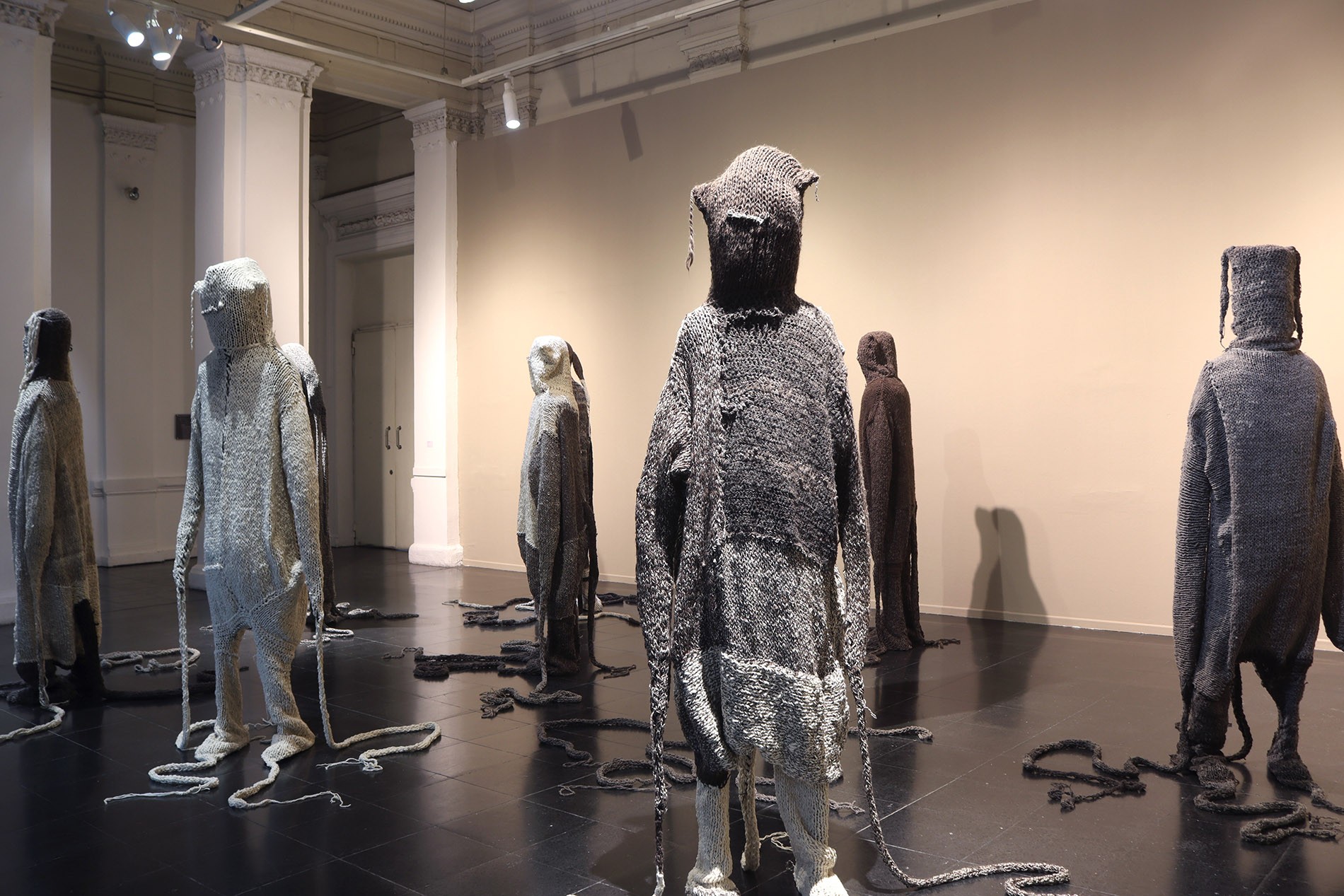
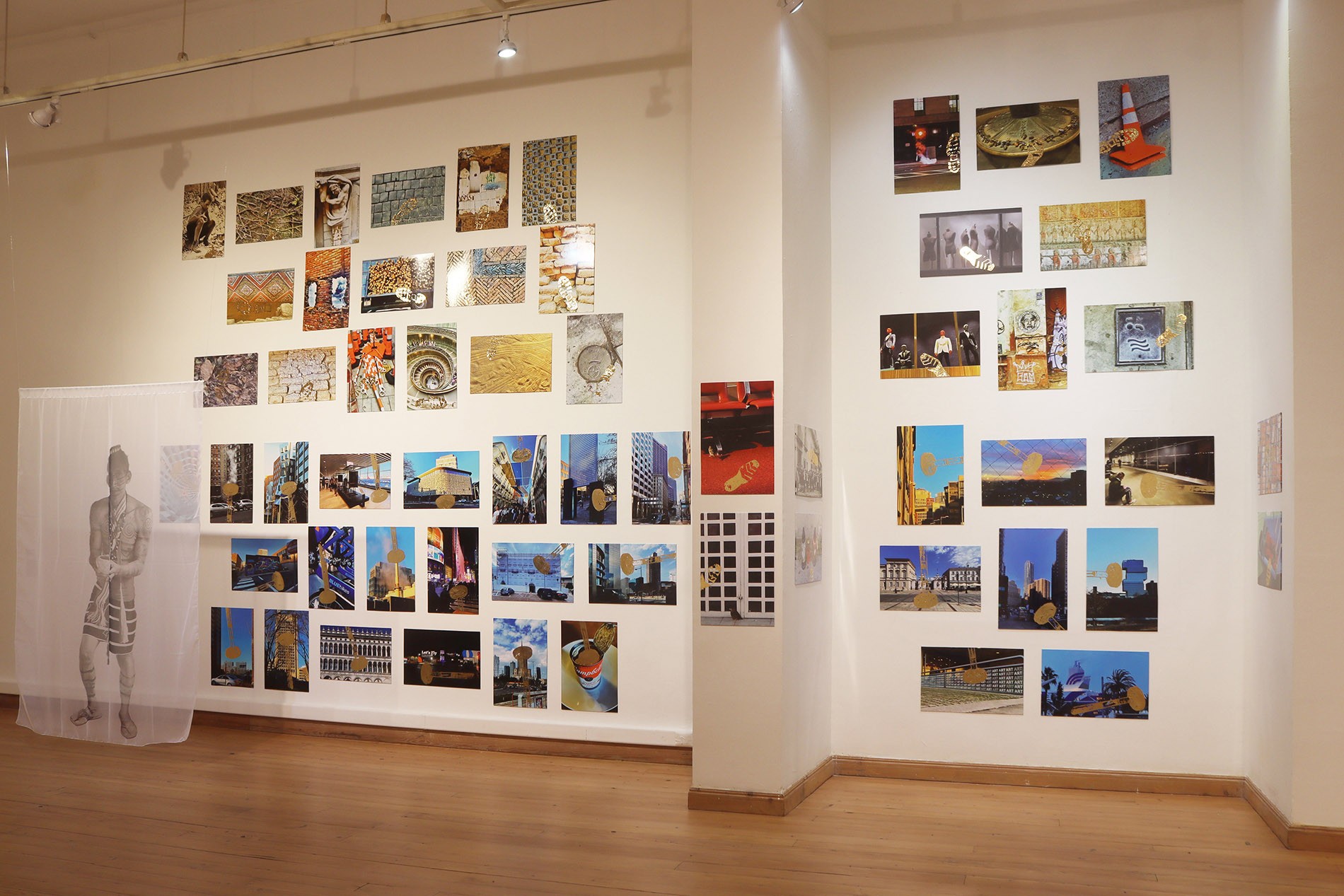
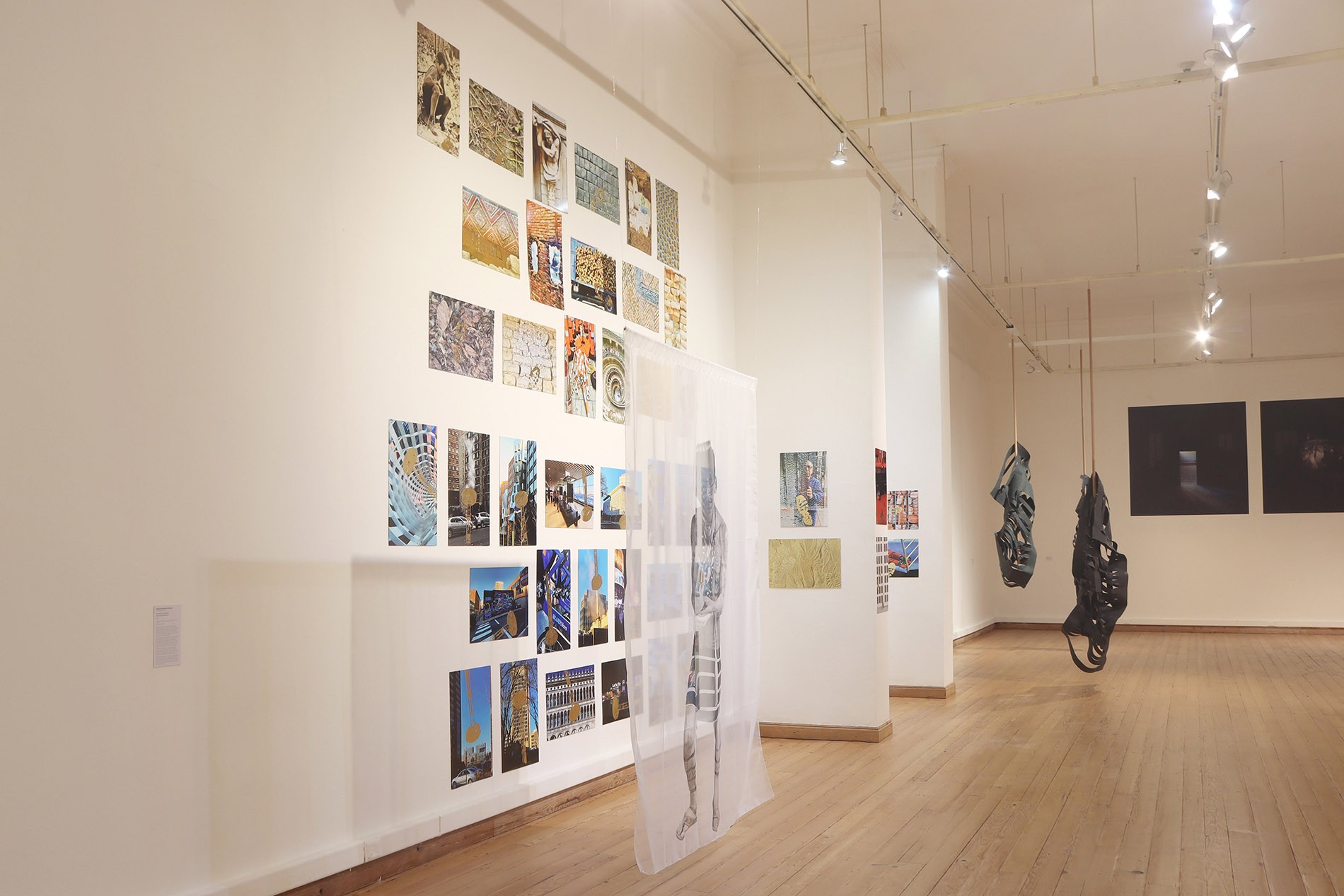
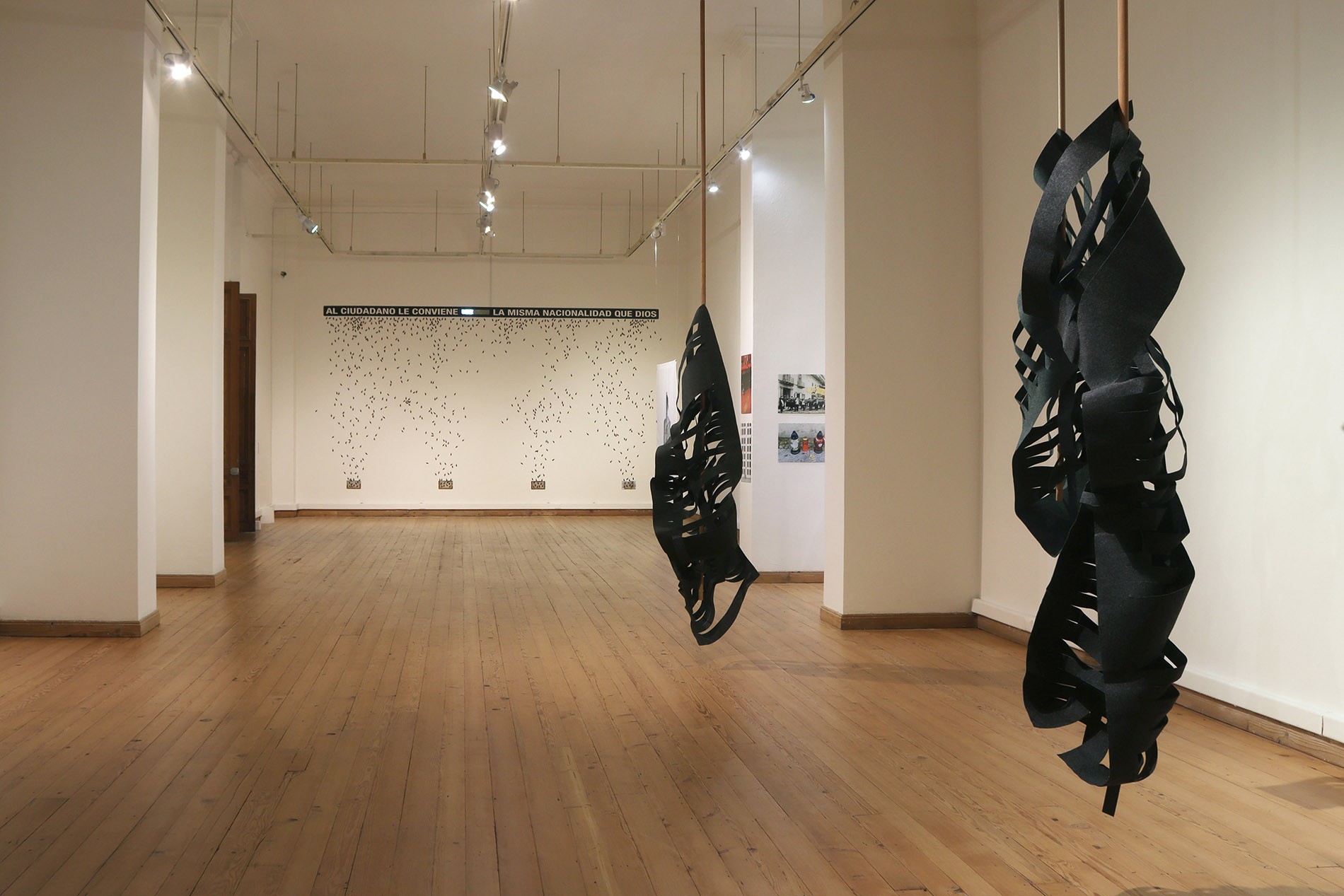
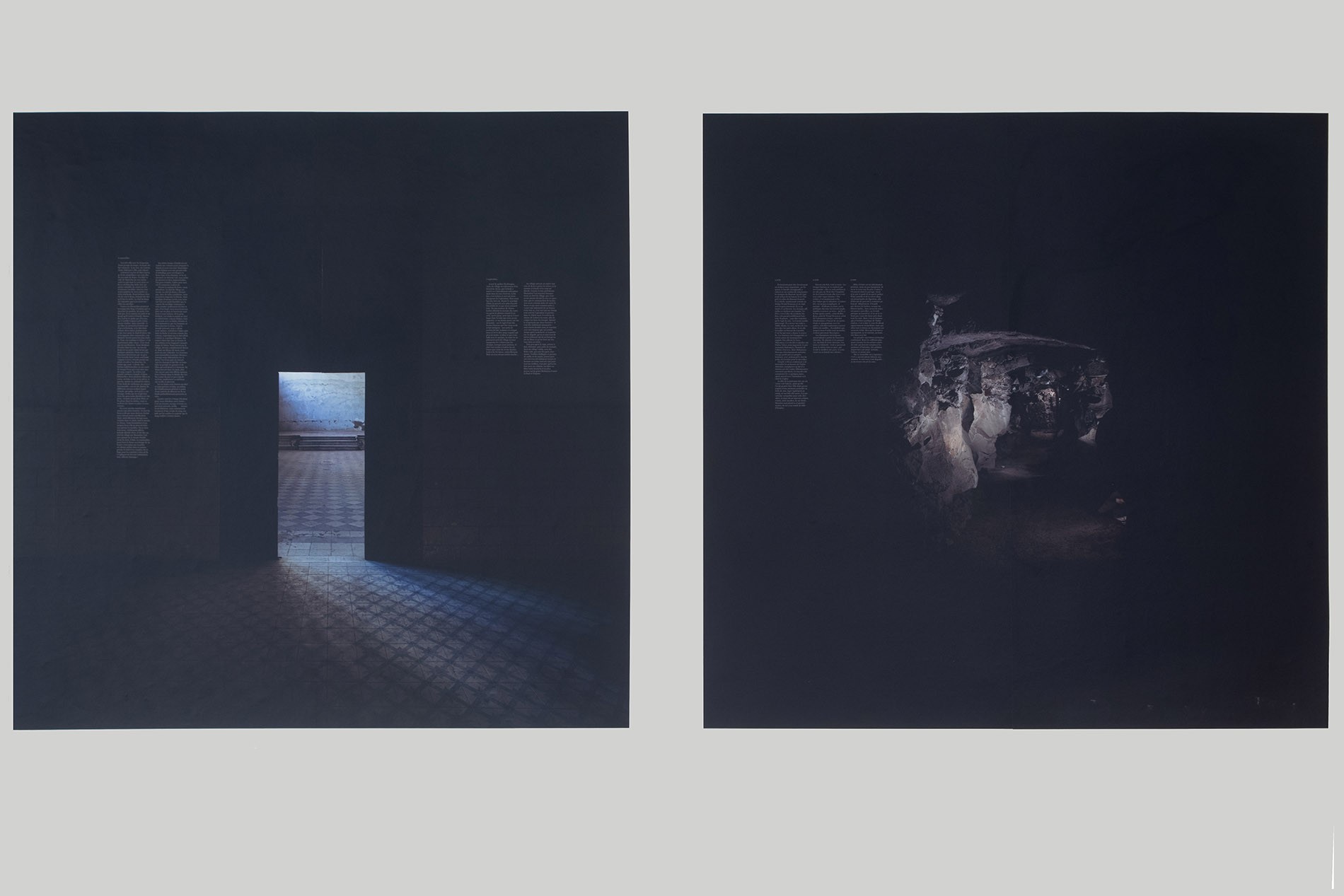
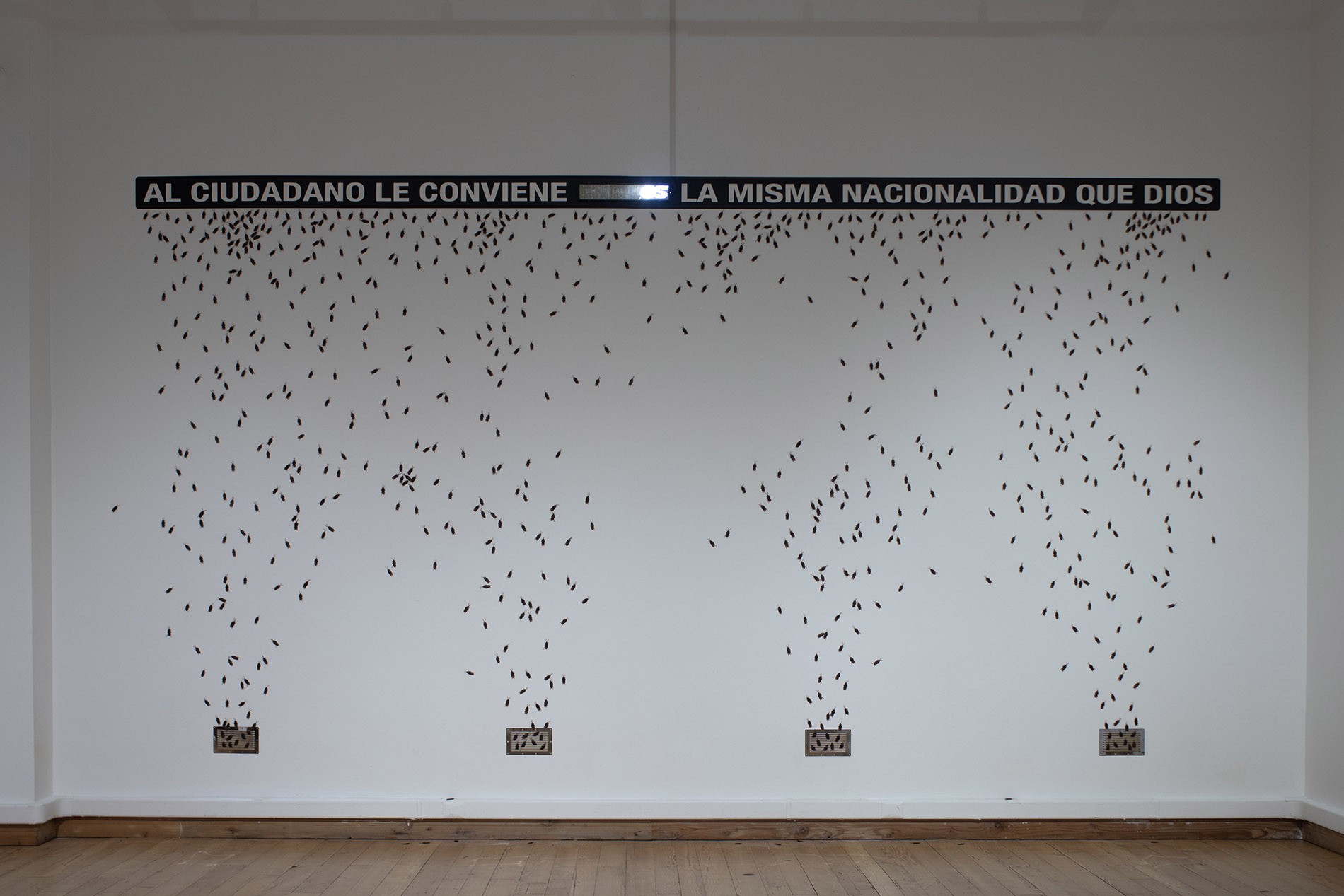
This artistic project acknowledges at least five artifices: Chile, the Canary Islands, Cape Verde, Ecuador, and the Democratic Republic of Congo. All of them are regarded as southern slopes, spaces through which the practices of seventeen artists unfold. Defying the slope, they undertake the illogical exercise of flowing uphill to meet their southern counterpart just behind the crest. All is new, and not new, all at once—south-north, south-north, south-north, south-north, south-north.
Image: Sur Sur