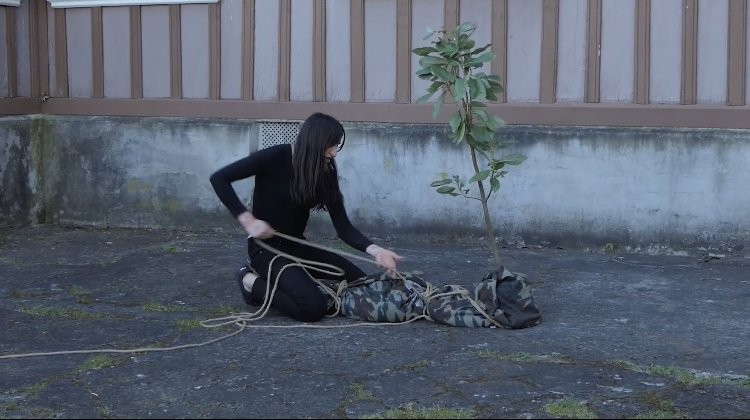
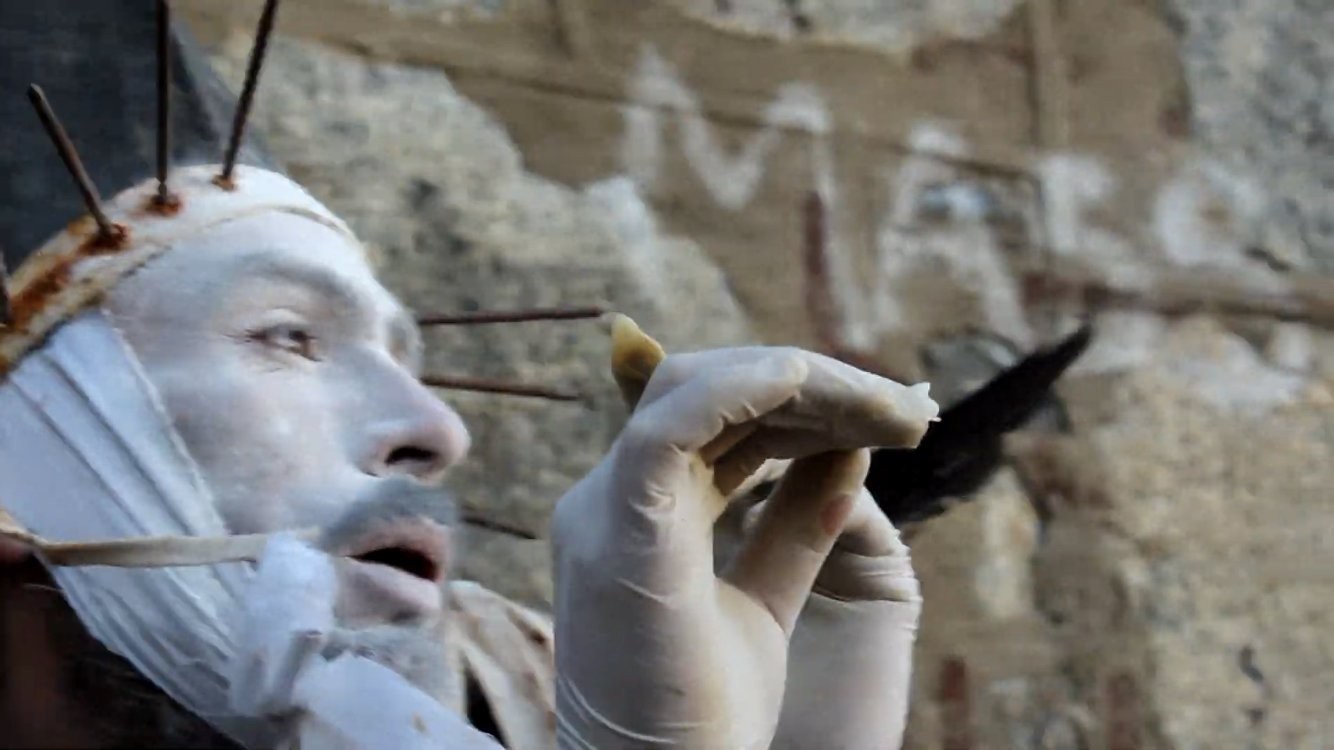
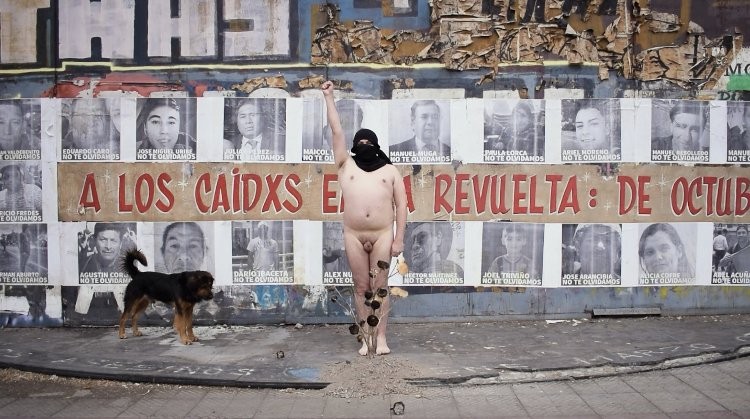
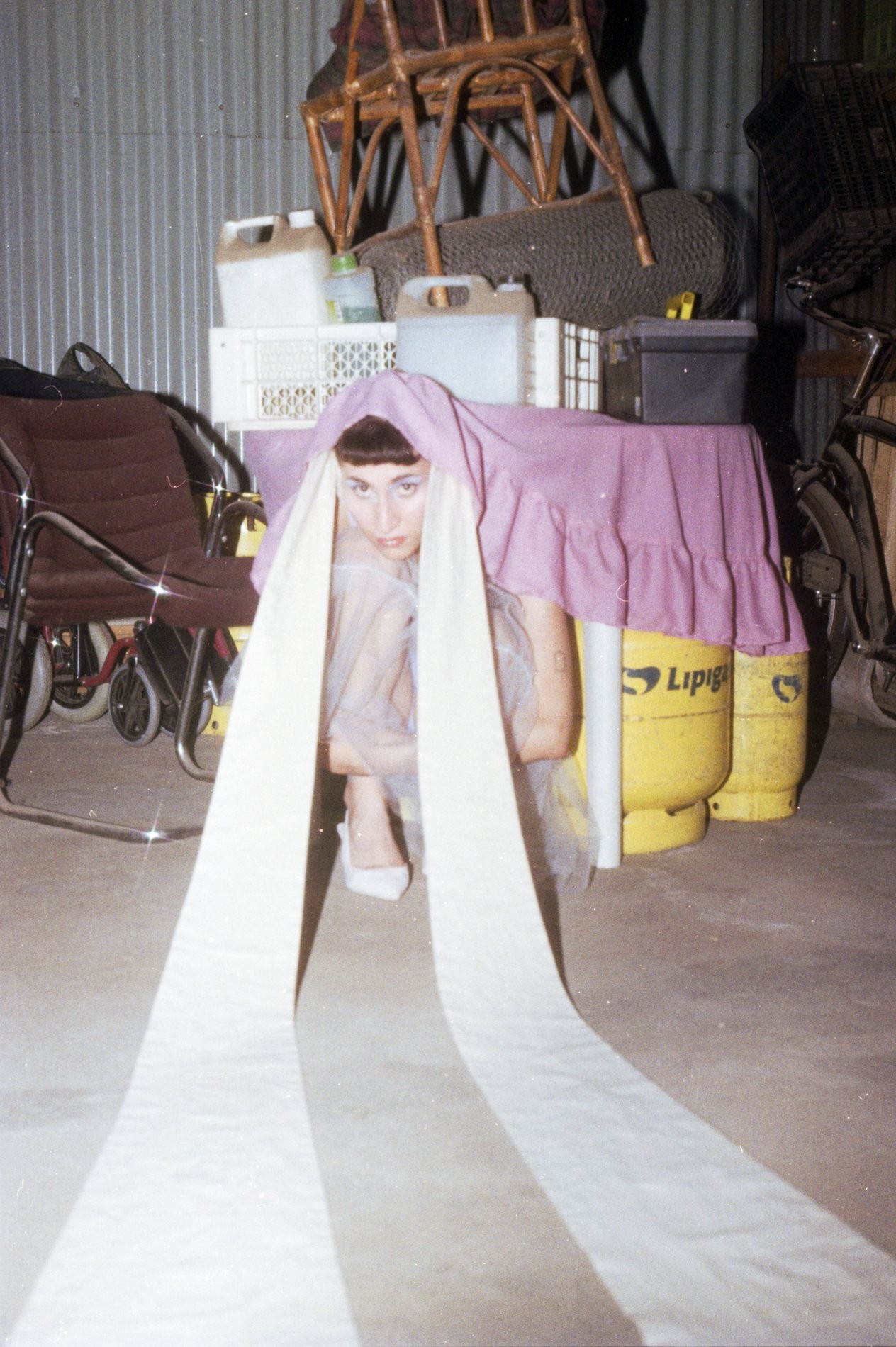
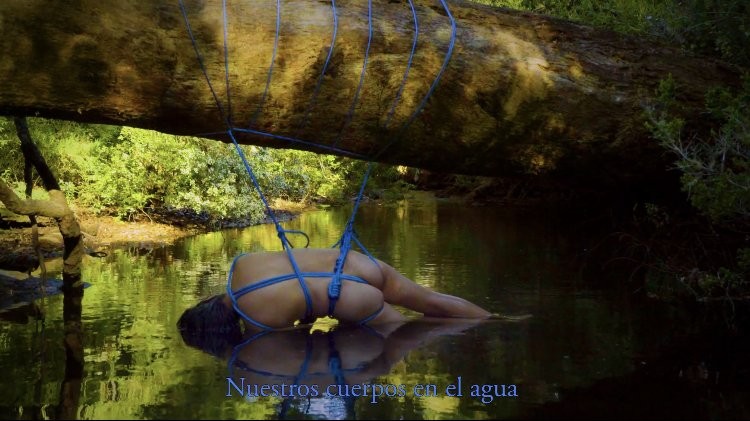
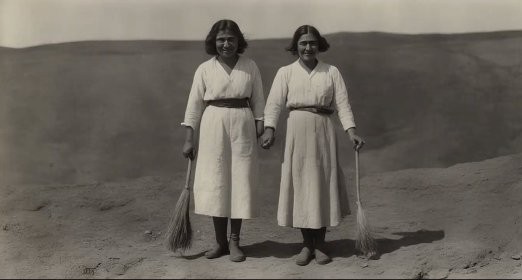
Opening: Thursday, August 21th, 6 p.m There are plants whose exuberant expressiveness produces on the skin a burning, stinging rash, the result of a viscous, colourless fluid inadvertently released from their plant pores. At times we recognize them because, unlike harmless plants with smooth edges and harmonious lines, poison ivies bear an irregular, defiant appearance. Their jagged edges, upon coming into contact with another, leave the mark of their transgression — and of their poetics. The burning sting, as a mark of discomfort, floods our inflamed experience. Often, cold compresses and other ointments are insufficient to soothe these irritations. At times, we resist letting it fully subside and instead cling to that sensation. Here, the memory of those pricked, bitten, and reddened becomes a desired and lasting condition, where the skin is a liminal border and the wound is the greatest power of those of us challenged to survive. This exhibition underscores the complex and challenging border relationship with normative imposition, where territory, like the body, evokes the colonial wound of domination, exclusion, and suppression. The establishment of discursive control—both binary and moral—impacts other forms of ecology and ancestry. The sexualized, racialized, dissenting, dysfunctional bodies showcased here propose a radical exercise of appropriation and evasion. The exhibition is divided into three curatorial axes: body as pact, body in memory, and body against the state. Three ways of eluding the notion of representation, the image of a discursive corporeality, abandonment as a refuge of memory, and the body in permanent resistance.
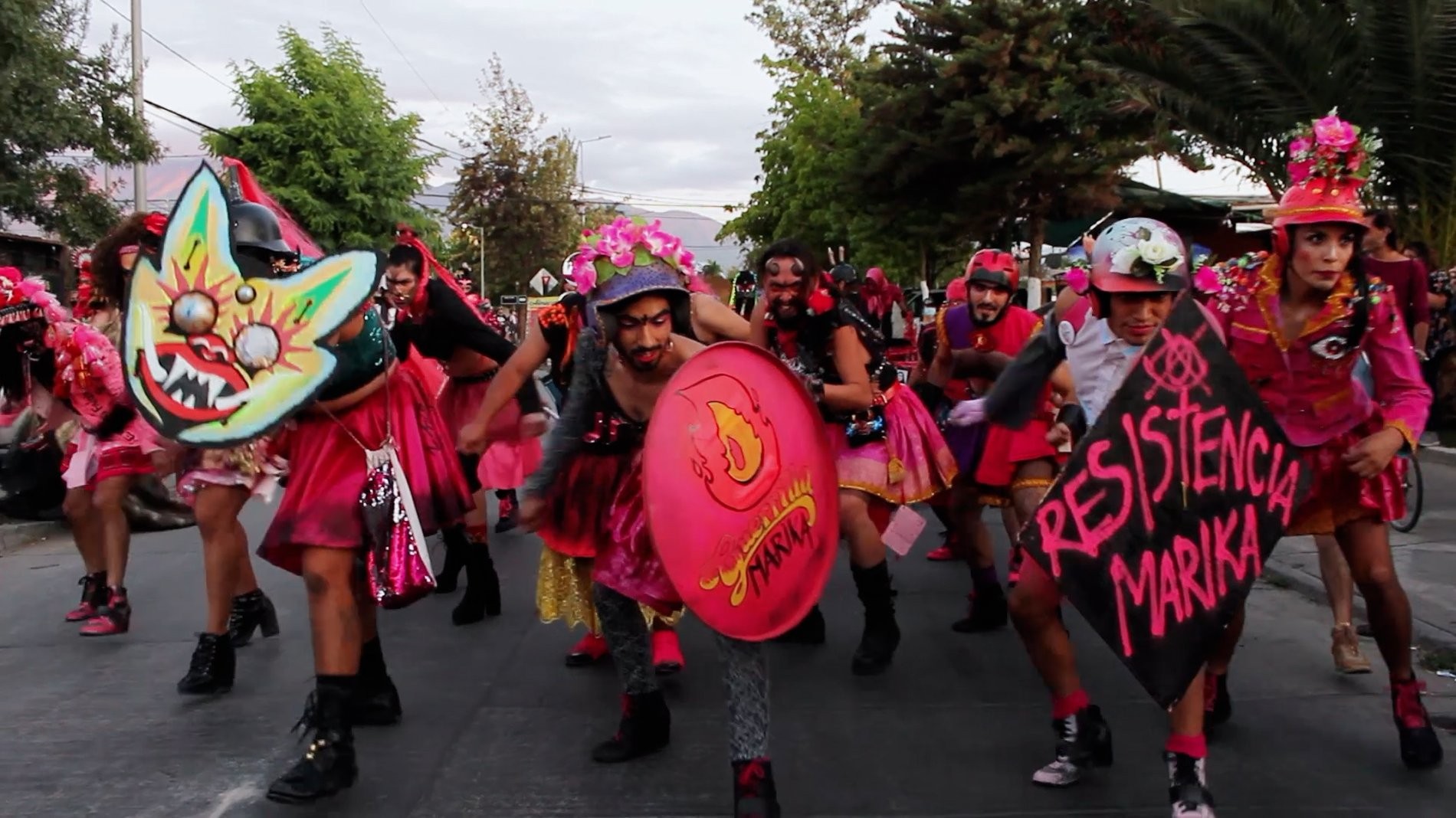
Image: La guerrilla Marika