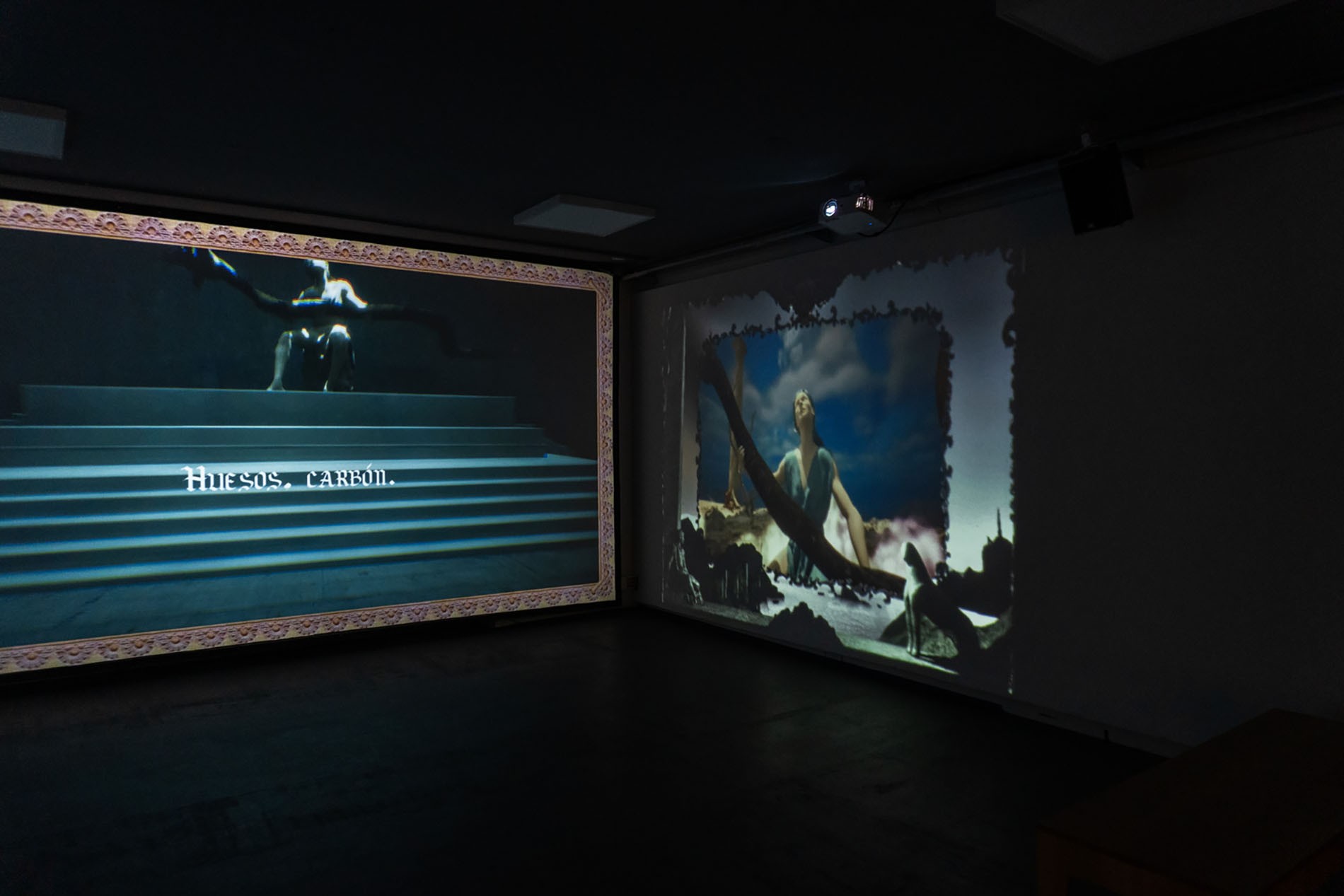
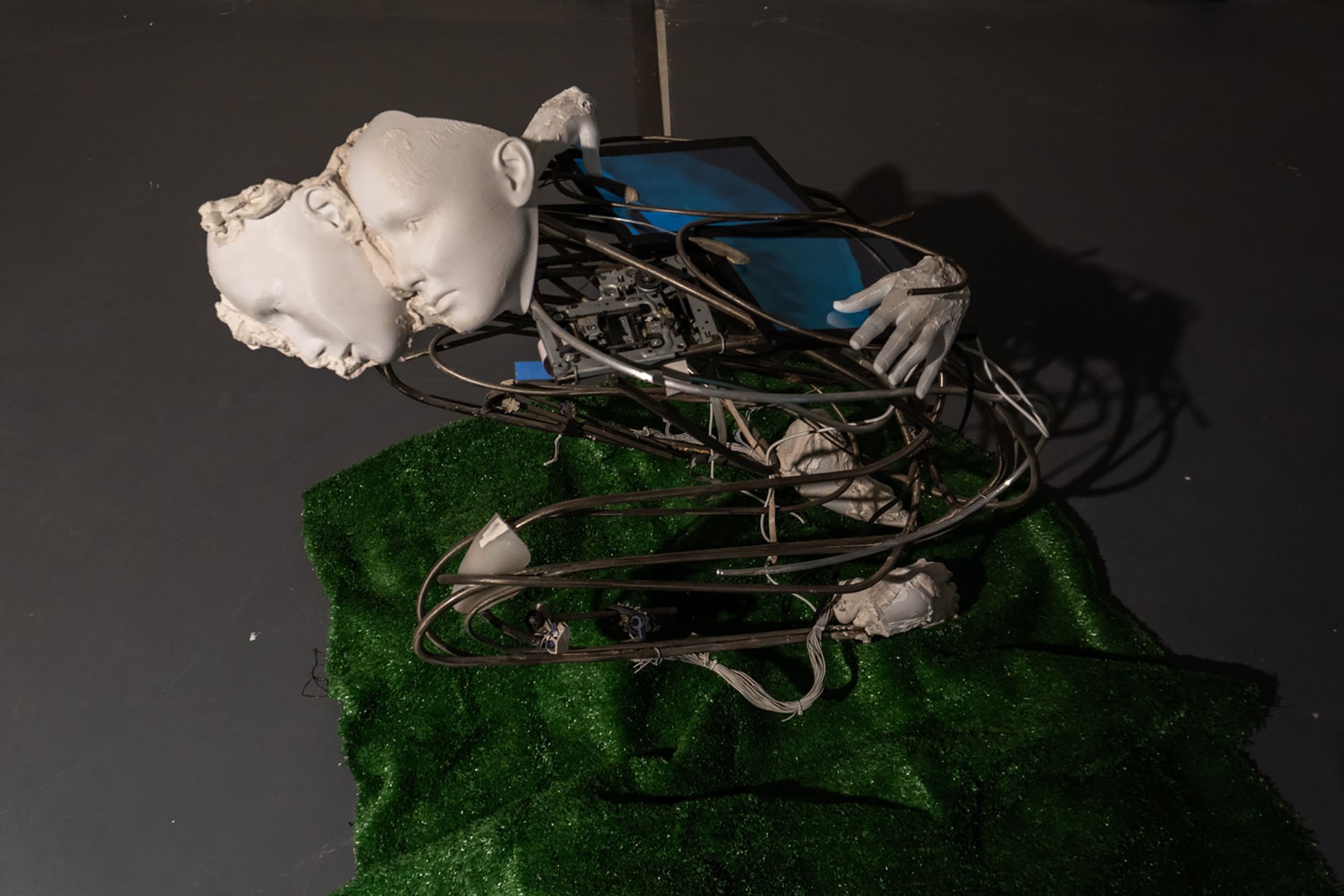
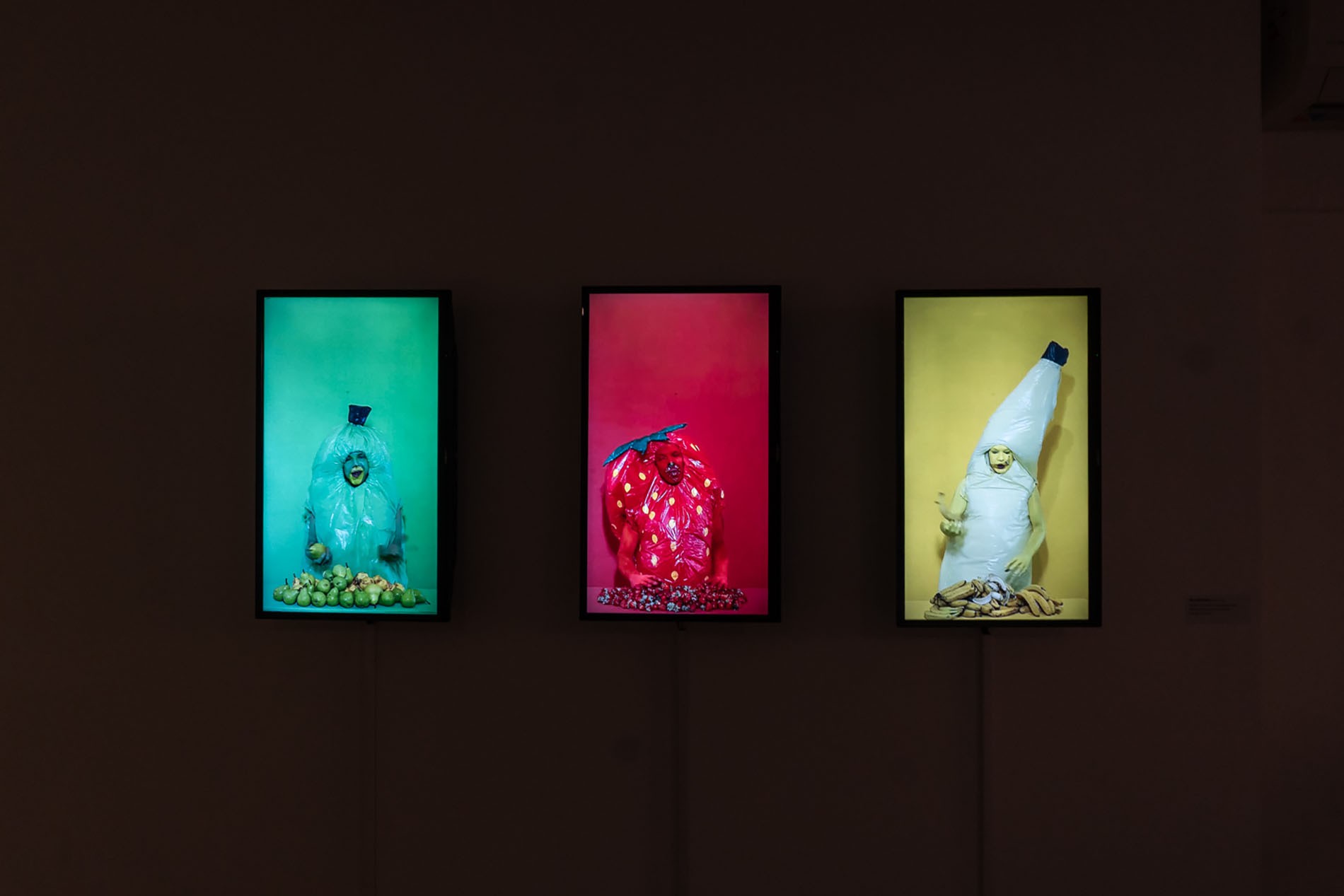
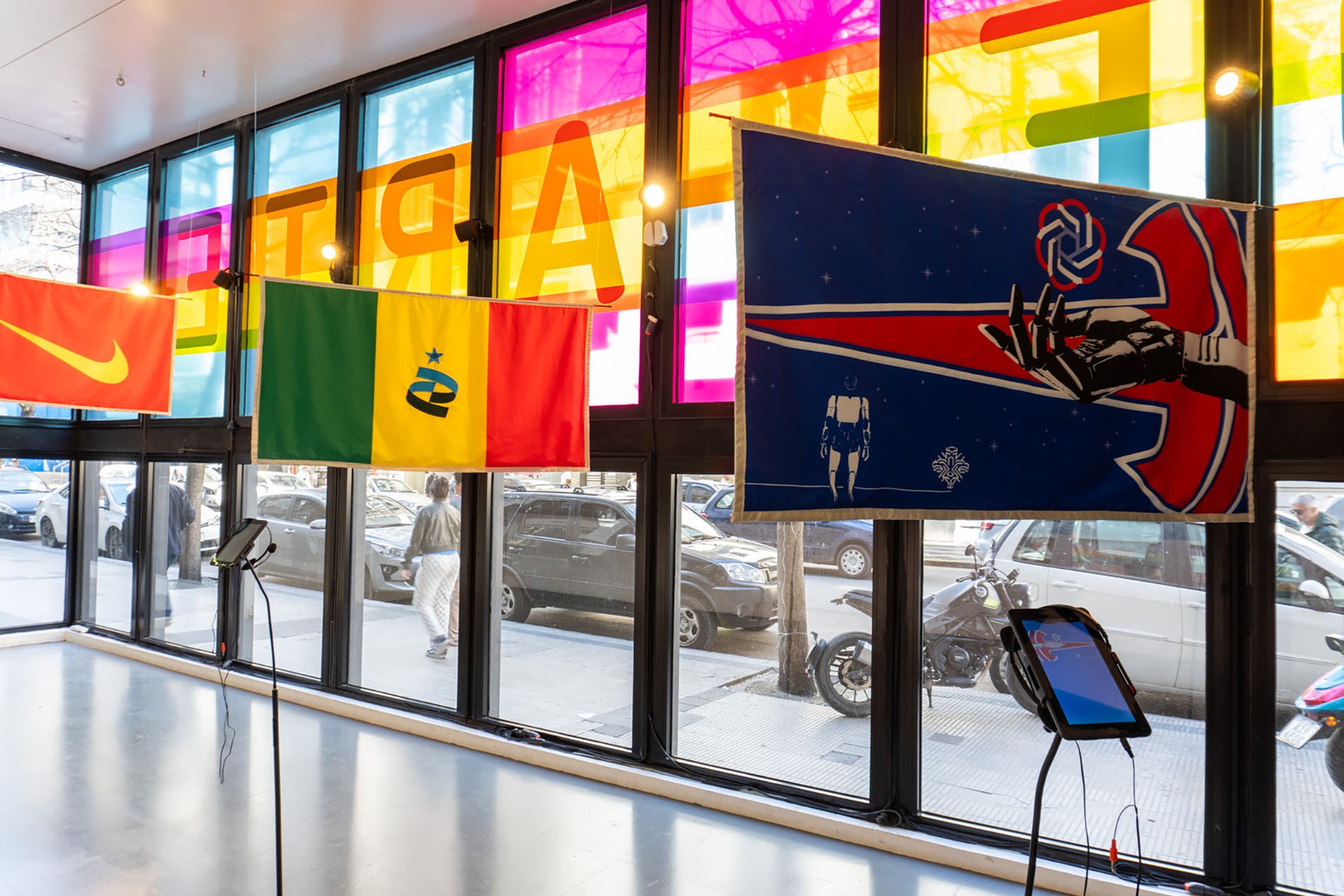
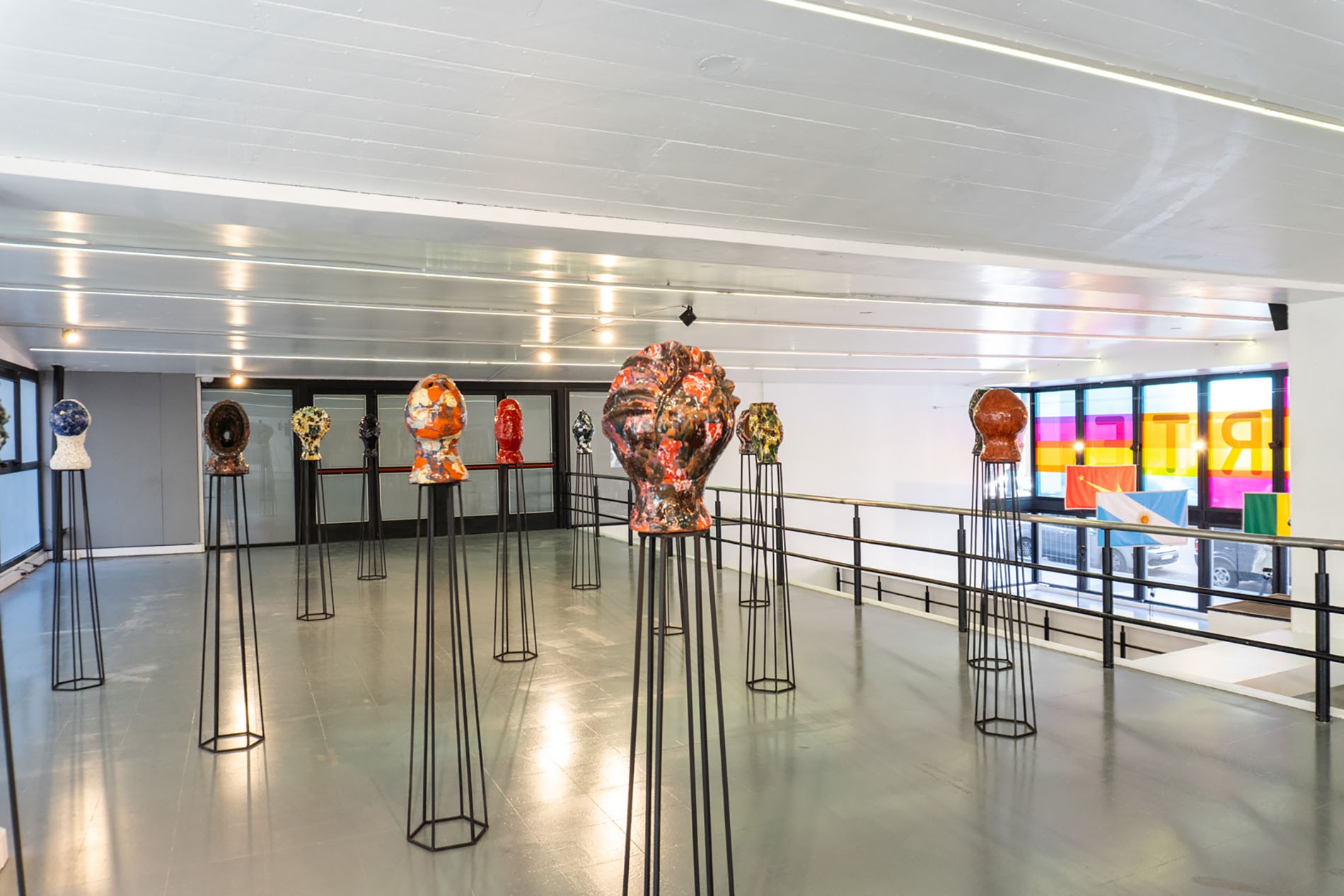
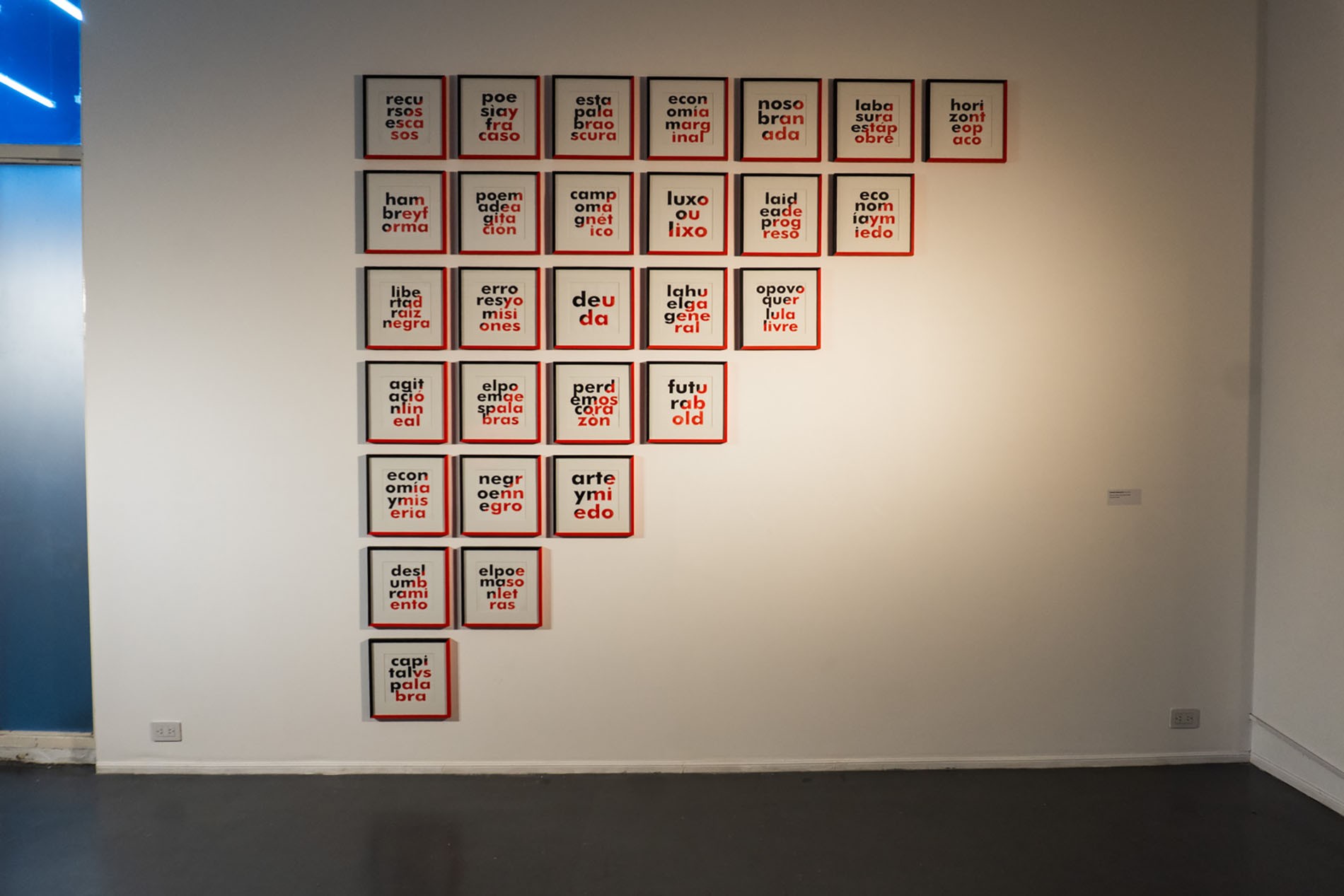
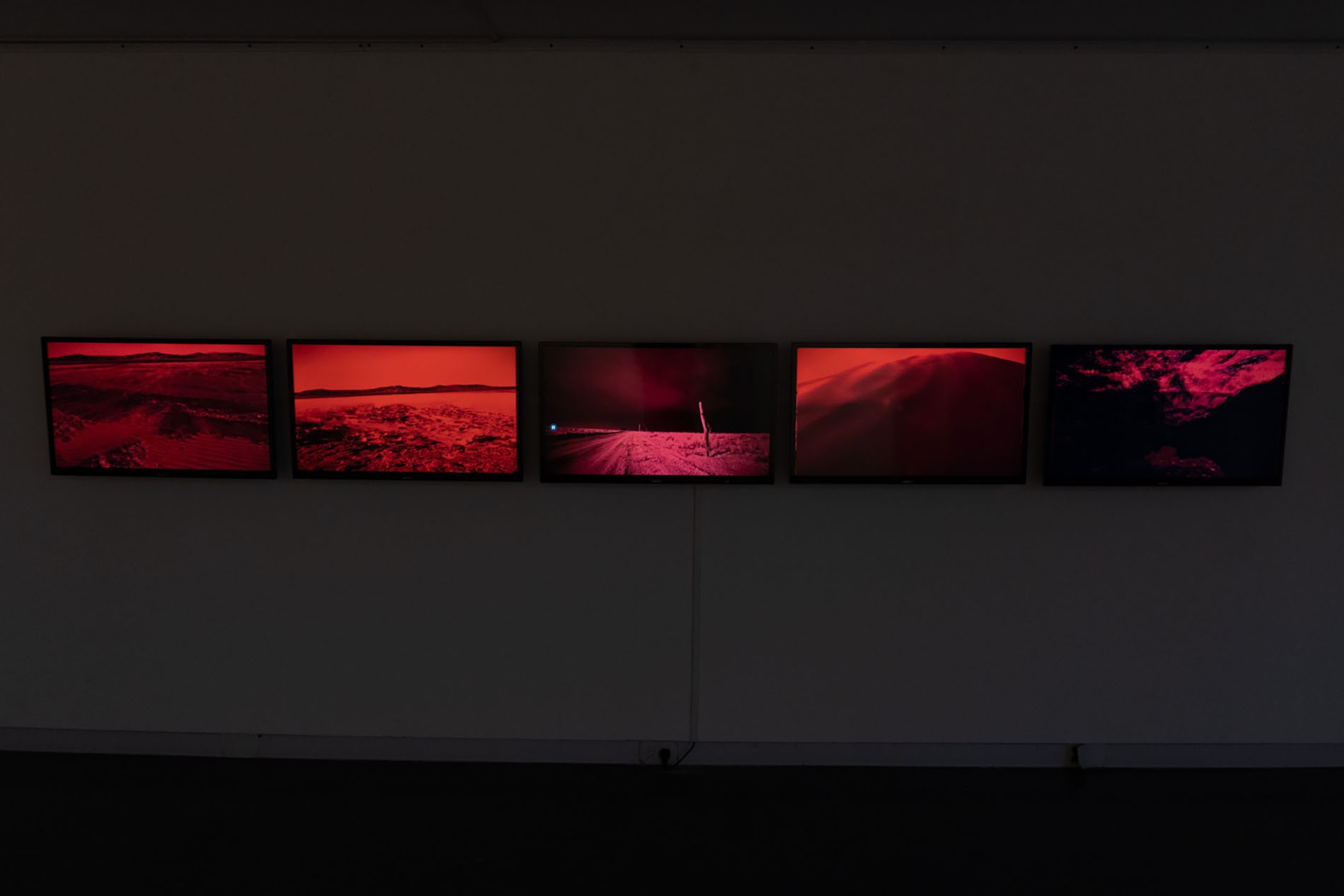
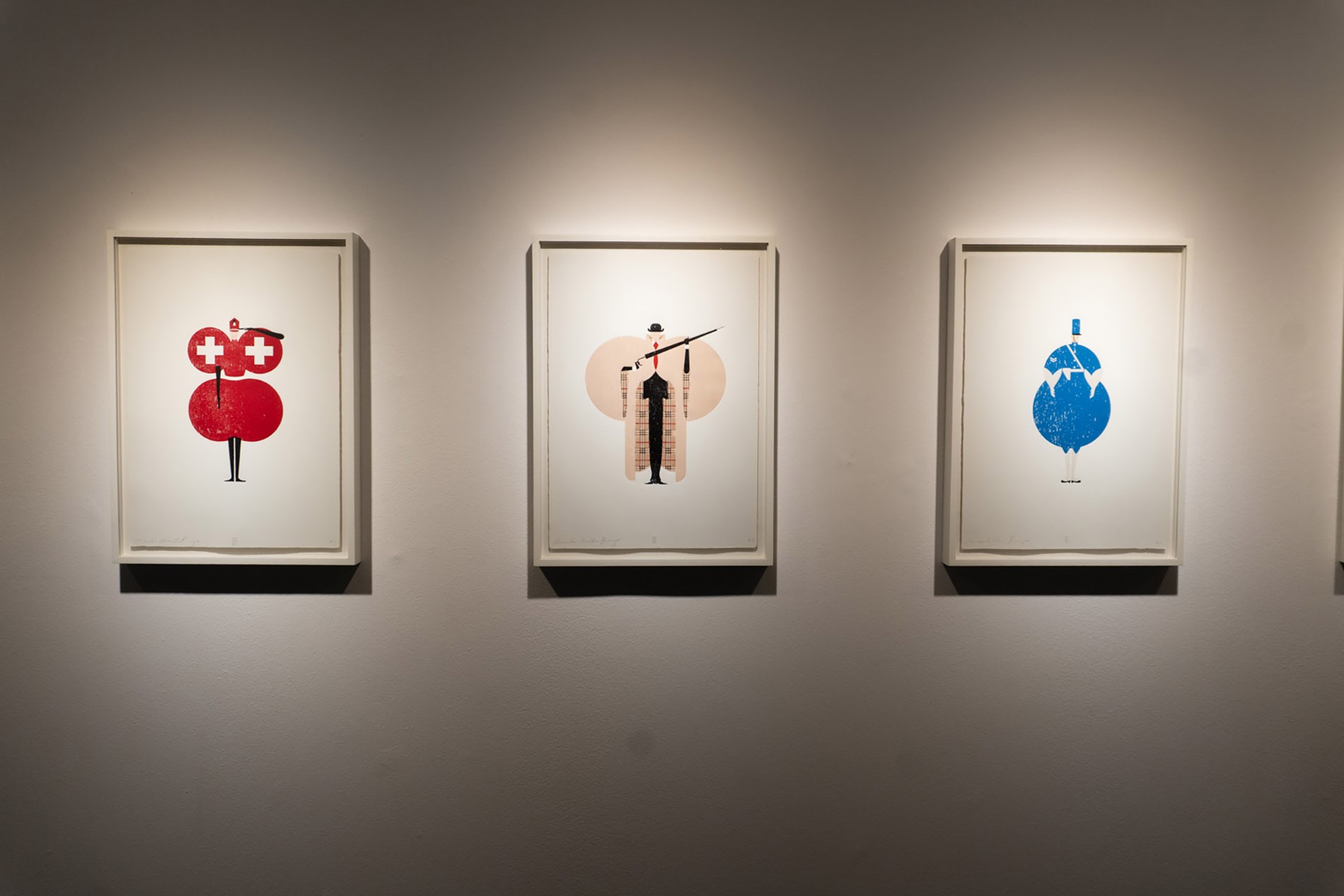
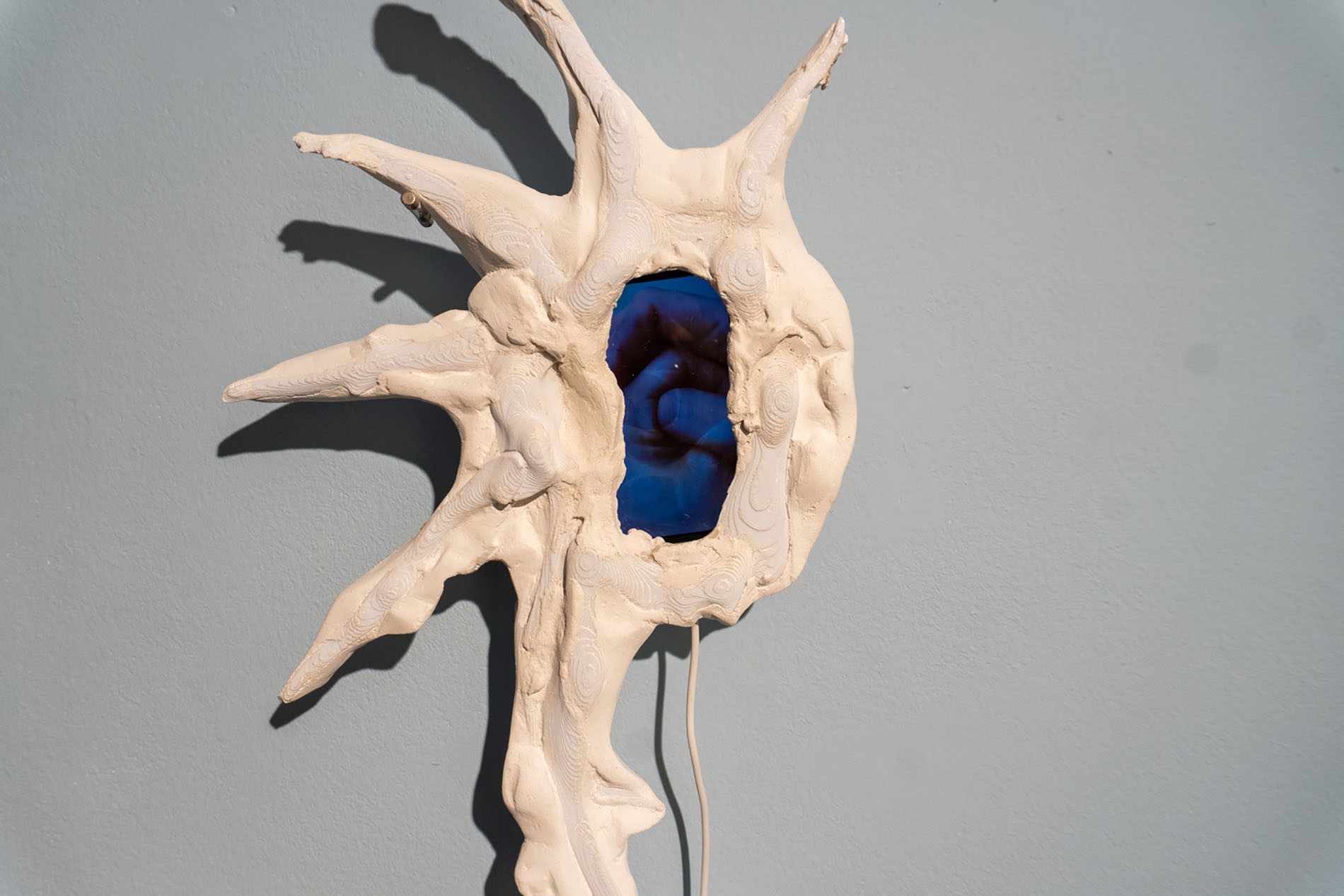
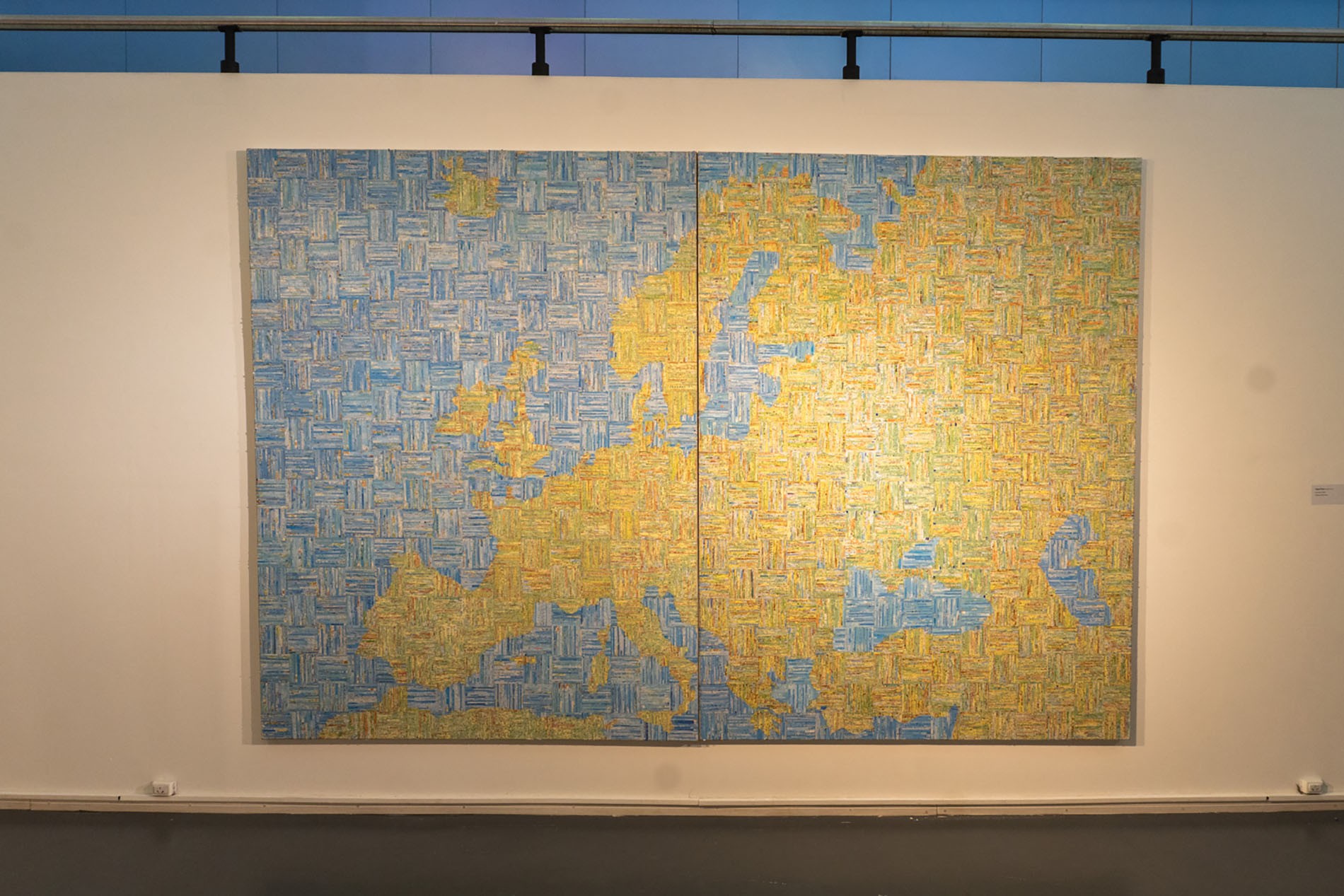
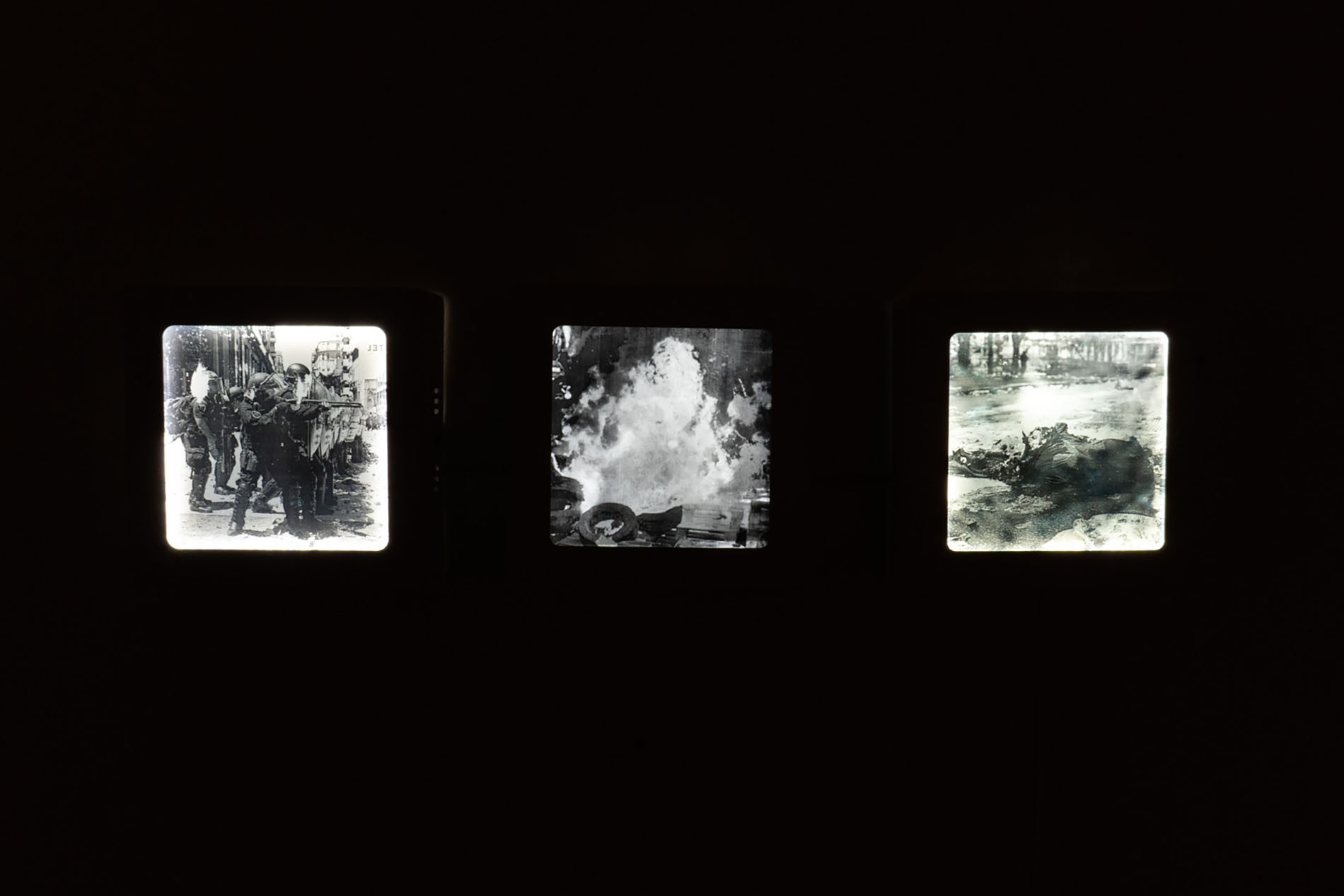
Opening: Saturday, August 16th, 5 p.m In 1932, Aldous Huxley published Brave New World, a fictional novel imagining a dystopia where every person accepts their place in a high-technology caste society where emotions are regulated through drugs. To achieve this “brave new world,” family, cultural diversity, art, literature, religion, philosophy, and love are all eliminated. Ironically and brutally, Huxley constructs a horizon opposed to utopia, anticipating other representations of undesirable futures such as George Orwell’s 1984, Ray Bradbury’s Fahrenheit 451, and, more recently, Ridley Scott’s Blade Runner. Dehumanization, tyrannical governments, environmental disasters, and ruthless wars unfold in these fictional accounts that, curiously, now seem less distant to us. These imaginaries have permeated everyday life, placing us in the paradox of having to defend principles and values that until recently seemed unquestionable. In this context, art becomes a reservoir—sometimes to denounce, other times to reimagine. Faced with dismay, art persists in asking about utopia: how can we sustain the desire for a world yet to come?
Image: Tansy Xiao, The Linguistic Errantry, 2022