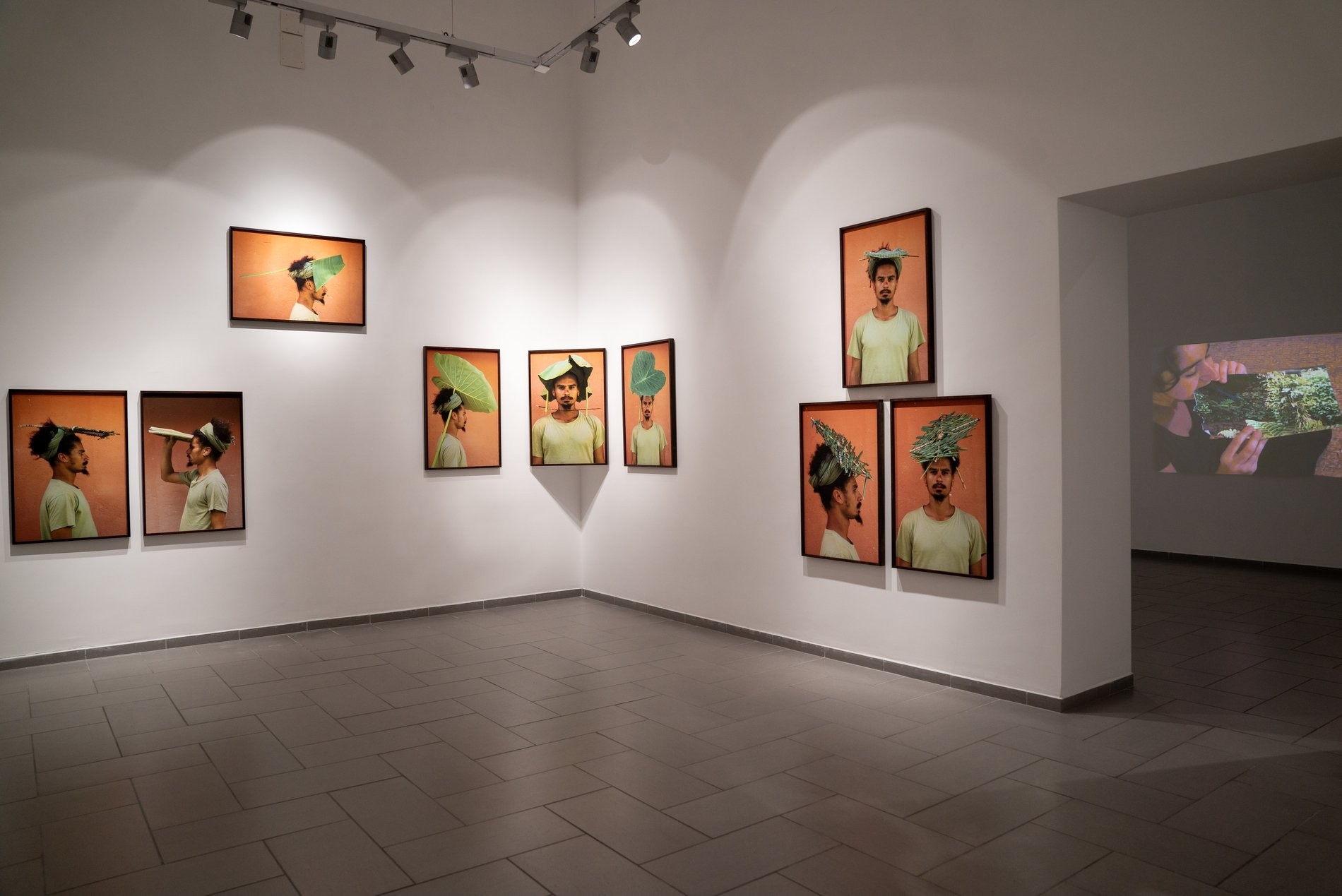
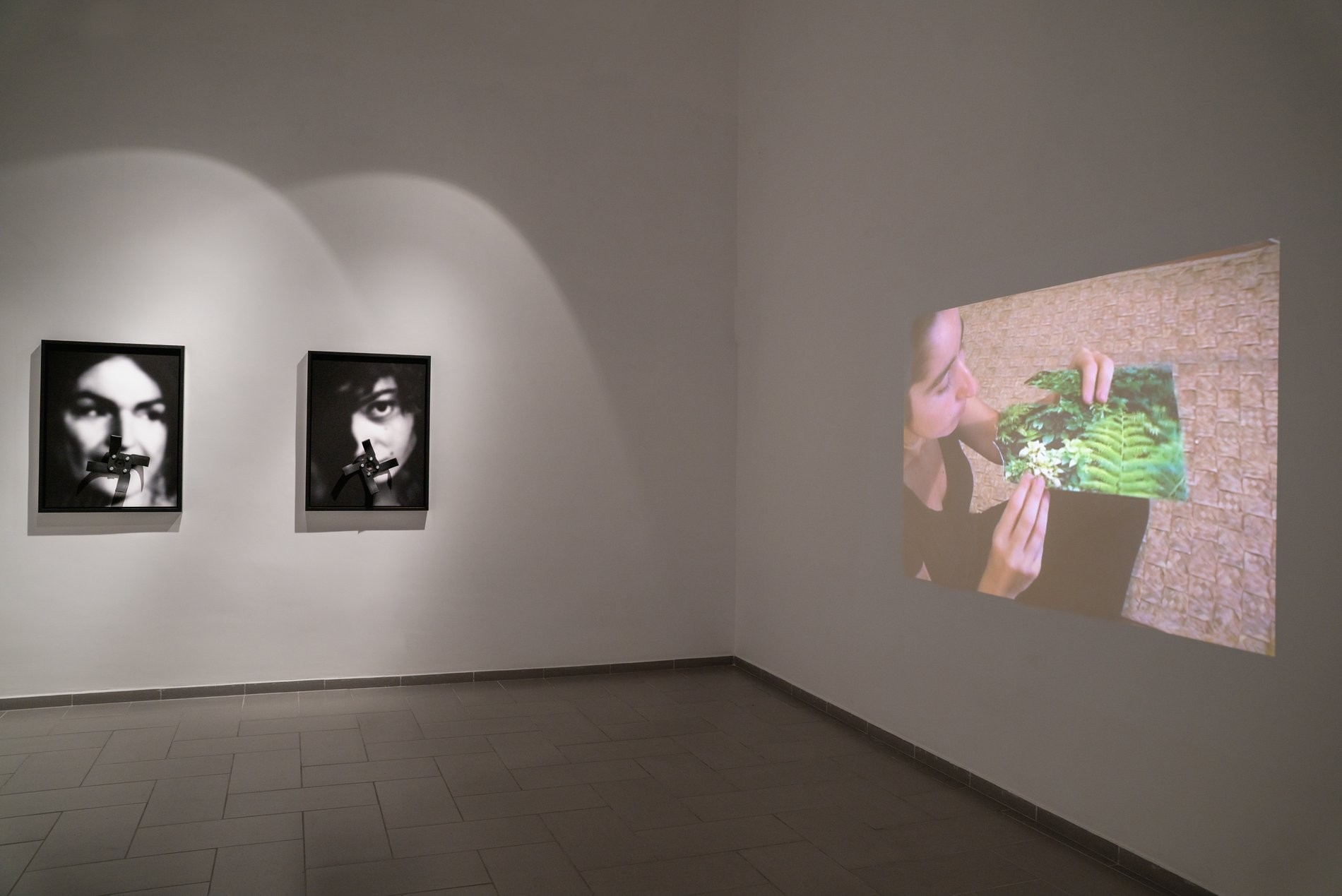
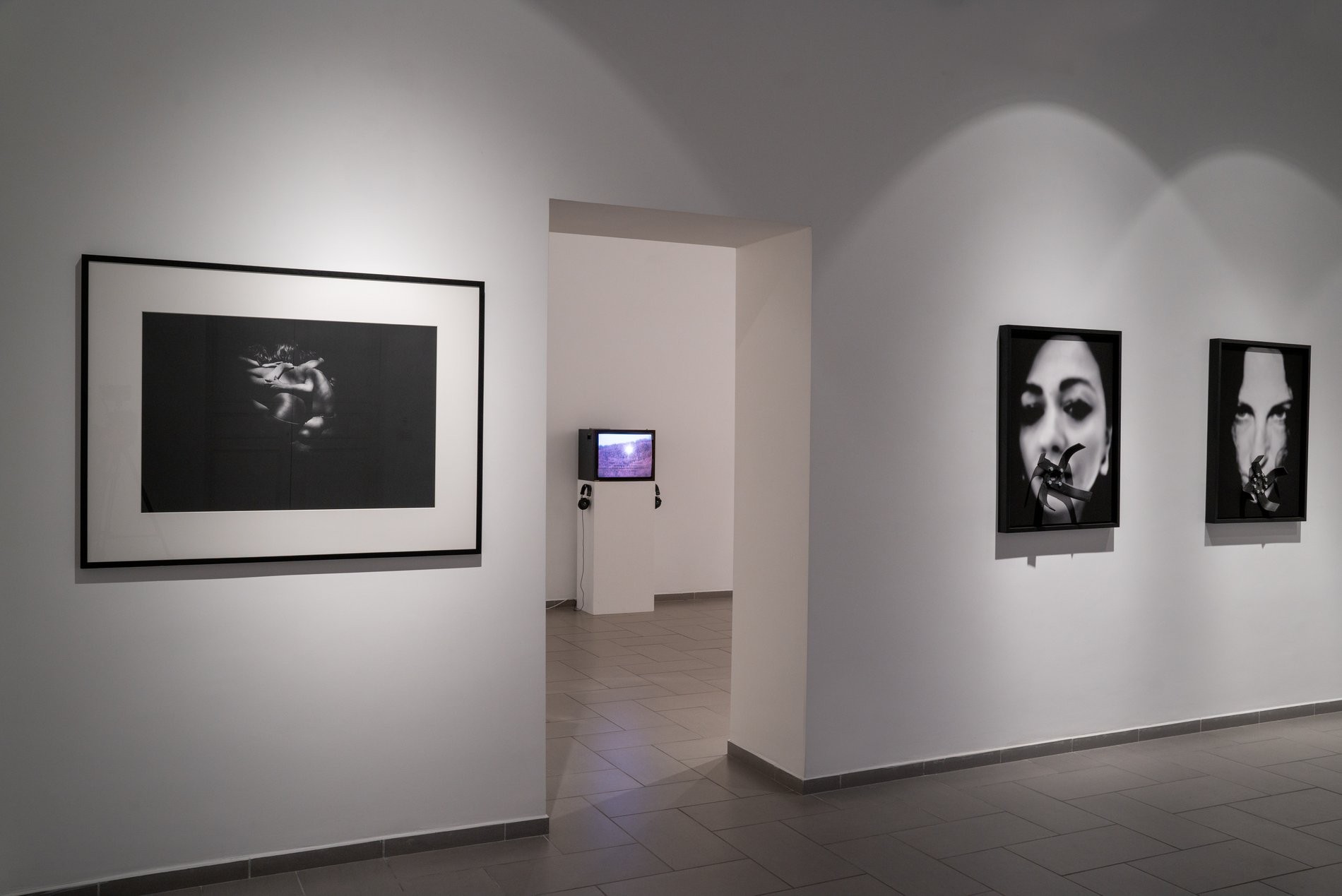
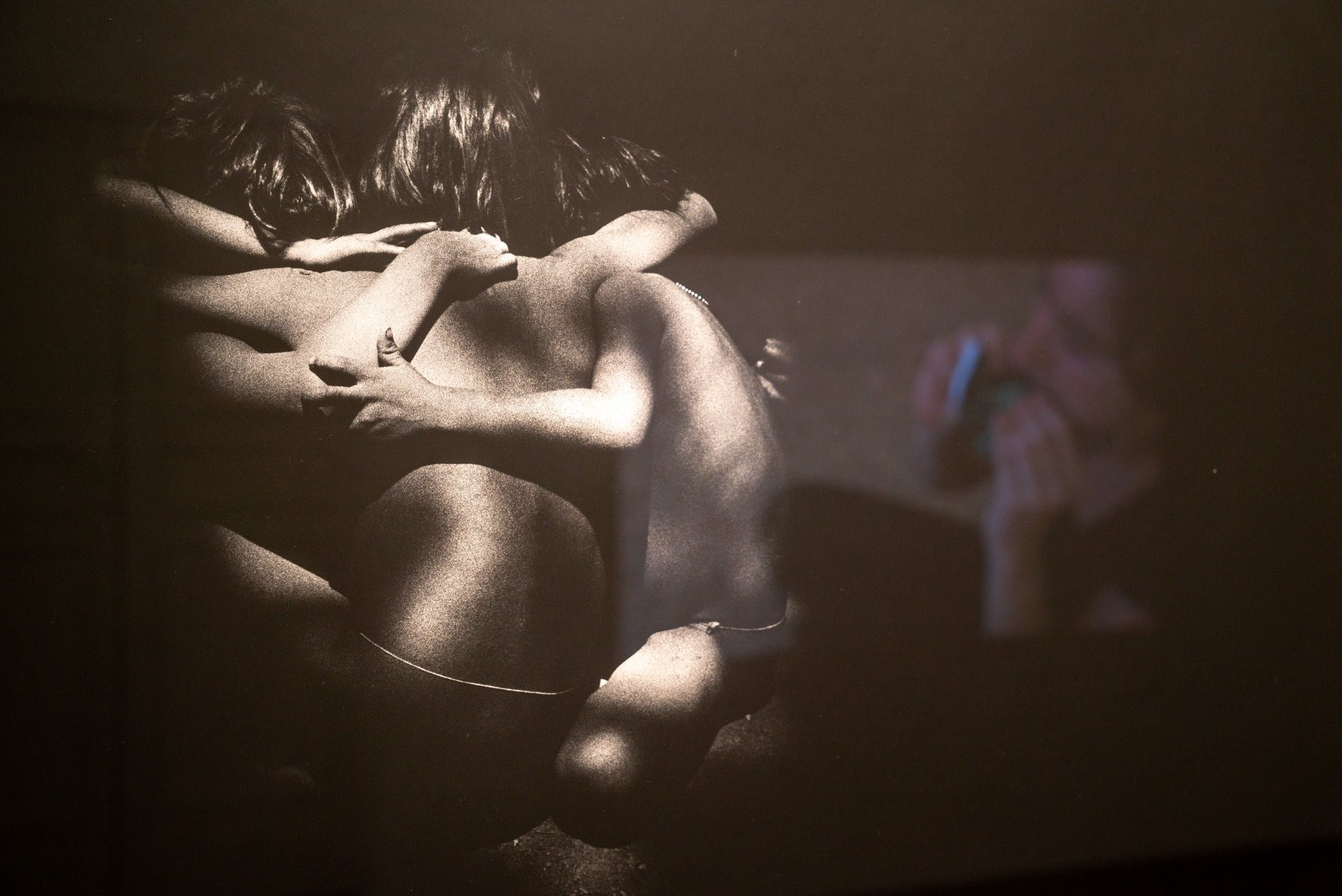
Opening: Wednesday, November 12th, 6 p.m The exhibition Invocations. Contact Ecologies, presented as part of the fifth edition of BIENALSUR, is part of a broader curatorial project that explores the relationship between the human body and the non-human bodies of the world we inhabit. Guiding this path is the term “Invocations,” taken from a lecture by James Hillman, in which the psychoanalyst describes invocation as a call to invisible spirits that involves a displacement of the human subject from the center of the scene “towards the wings (the sides), in an anti-modern gesture that ignores the ego, the hero, the intentions, and the biography of the person.” In line with this decentralization, the exhibition at the Embassy of Brazil in Rome presents a series of works that critically examine specific territories and geographies, regarded as living bodies capable of influencing the construction of the human subject identity. Visions of the Brazilian territory—shaped by artists who have gained international recognition for their research precisely into identity, such as Lia Chaia, Paulo Nazareth, and Claudia Andujar—intertwine with the works of artists like Maria Thereza Alves, Pamela Diamante, and Ettore Favini. The landscape is invoked through symbolic references—the silhouette of the Tiber River, tropical leaves from the Brazilian forest, agricultural milling tools used to work the land in Southern Italy—in a bodily approach to the concept of place. The body becomes both a measure and a tool of investigation to narrate the territory and the identity conflicts that run through it, through reflections, superimpositions, or even direct assimilations. In this sense, the exhibition’s title refers to a form of relationship based on an epidermal and empathetic proximity to the oikos — the home or the environment of belonging — as opposed to objectifying representations rooted in the separation between subject and object, nature and culture. The boundaries between body and landscape dissolve: the human subject is no longer IN the landscape, it becomes the landscape itself, through a process that is at times additive and at times fusional.

Image: Paulo Nazareth, Objetos para tampar o Sol de seus olhos, 2010