Opening: Friday, October 10th, 8 p.m Unravelling the hegemonic narratives of a past era is not easy. Even more so when paradigms that are almost indestructible take root—structures shaped by idealization, oblivion, and ignorance. At the end of the 19th century and in the first decades of the 20th, this territory underwent profound changes that were inseparable from the central management of the Argentine government and its interests. The Land Law of 1891 consolidated the system of large estates, handing over thousands of hectares to foreign and national companies backed by dominant capital, to the detriment and displacement of preexisting peoples (Aonikenk) and of small producers or settlers. This law set the course of history in Southern Patagonia, where “white gold”—the name given to the wool from millions of sheep raised there—led to the establishment of large meatpacking plants such as Swift, Armour, and CAP, owned by the same companies that controlled the economy, power, and social behaviour. The glitter of gold blinds and fosters a climate of the era in which customs controls were scarce and held hostage by the owning companies that operated on both the Chilean and Argentine sides. From Lago Argentino (El Calafate), a prime area for sheep breeding, large drives crossed the border passes on their way to Chilean packing plants. The farmhand is often the same one who, after the sheep shearing season, becomes a worker in the meatpacking plants. Chileans, Spaniards, and some Argentines—skilled with the knife and resilient through long workdays under harsh living conditions, as hard as or even harder than on the farms. Rebellions, strikes, and workers’ demands thus unfold throughout this period: the strikes of ’21 and the Stone-Throwers’ Rebellion, to name just a few.
Reconstructing Memory is an organic, transversal, and non-binary project. Its sole aim is to unweave in order to understand an identity that inhabits multiple layers of meaning within a society.
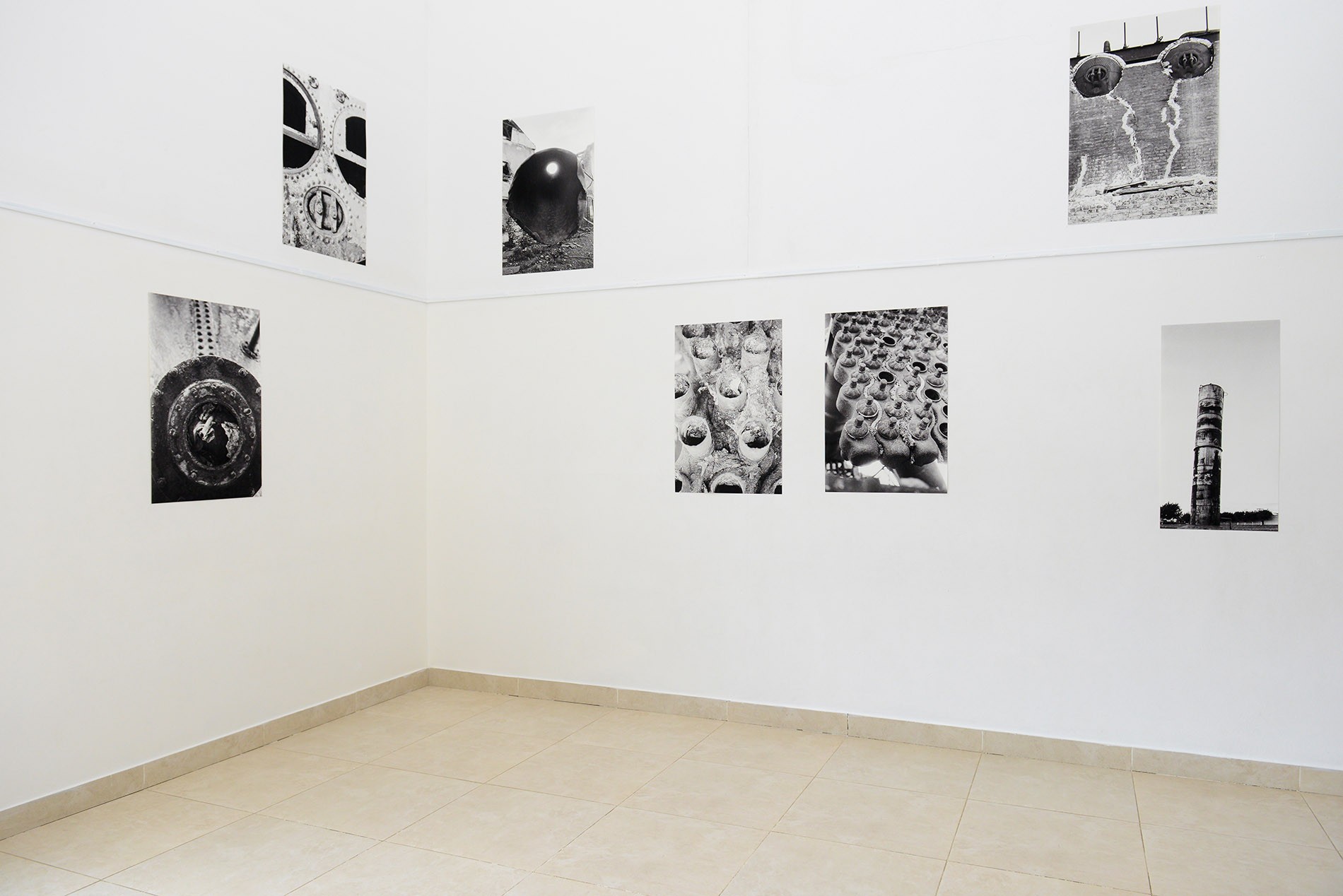
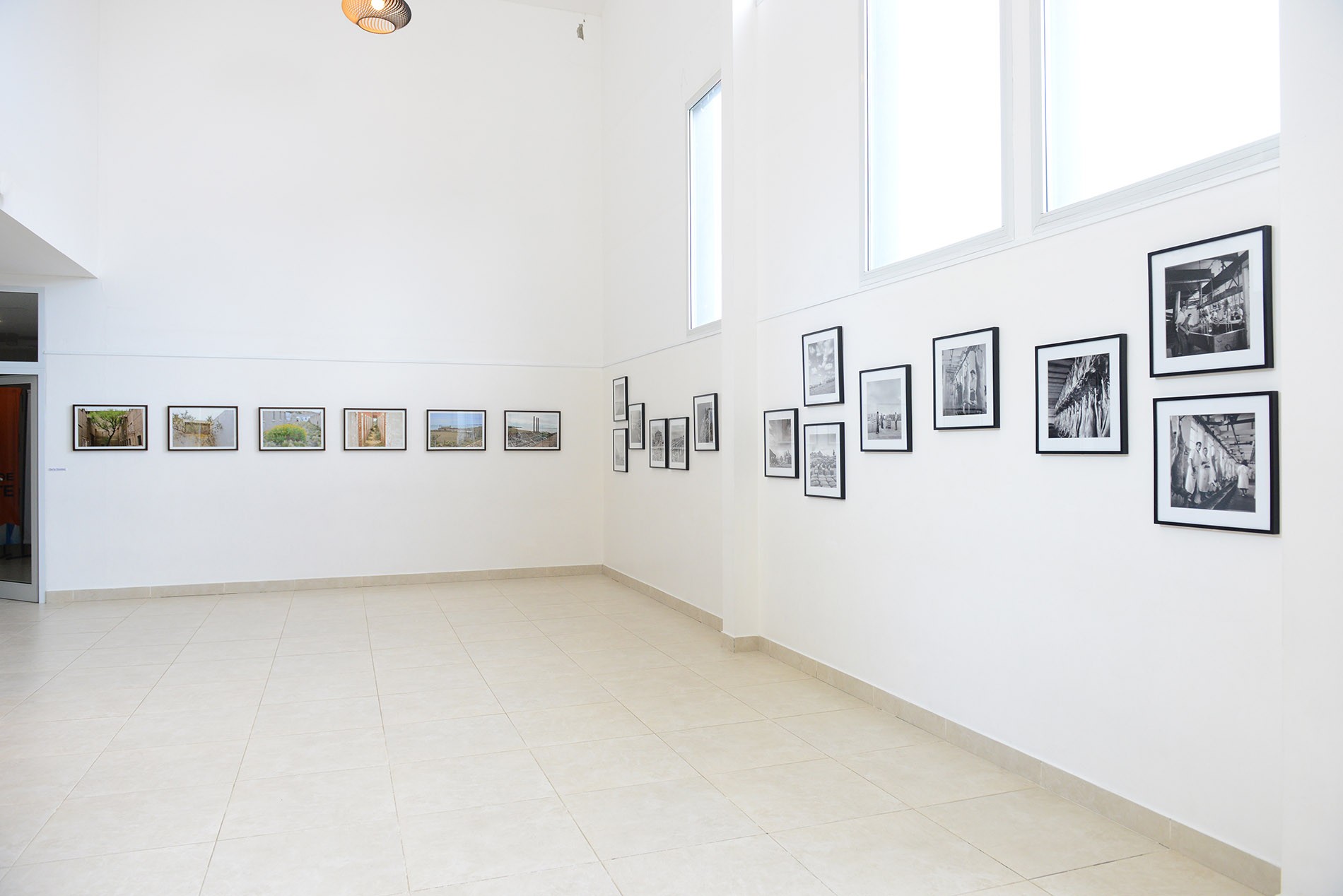
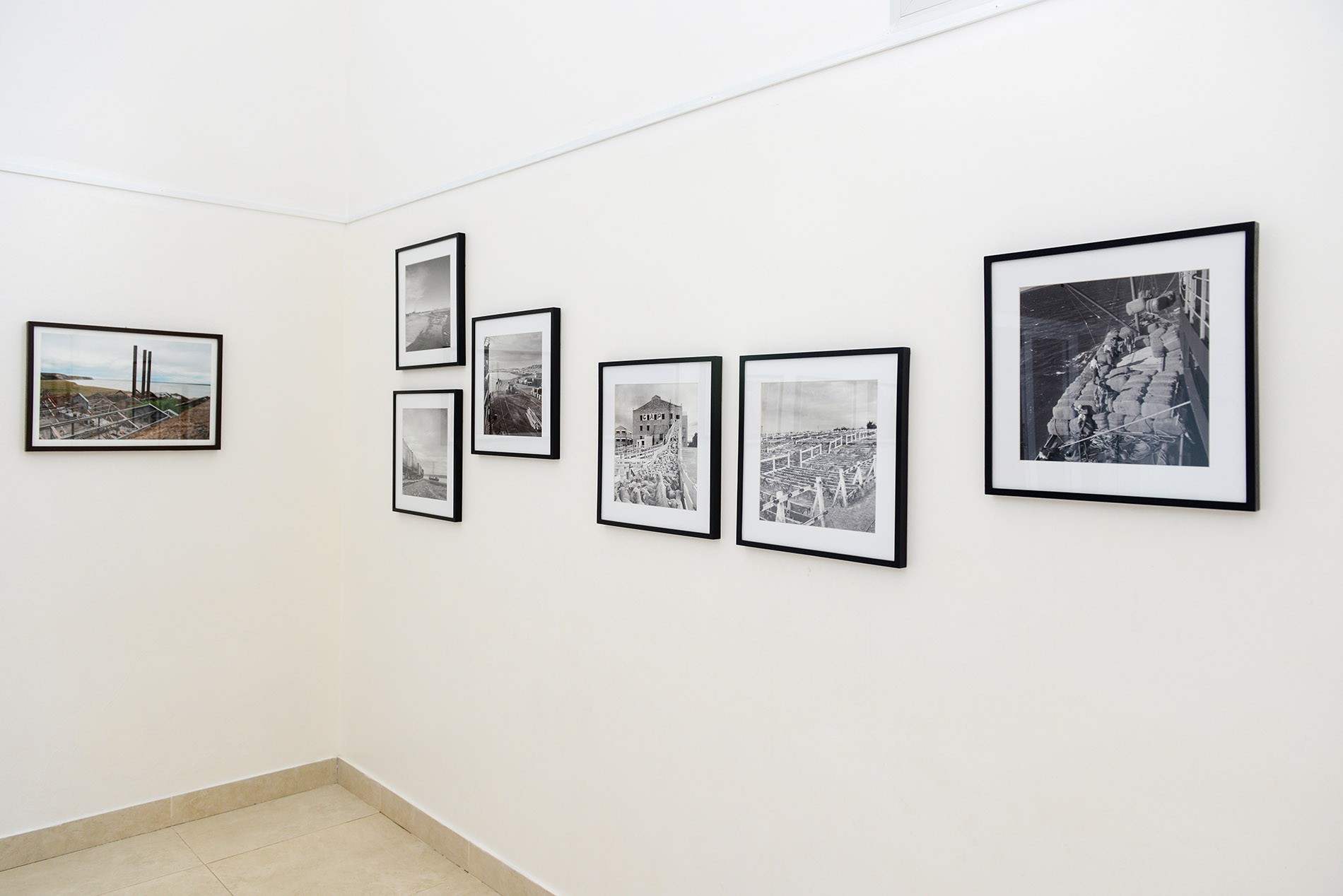
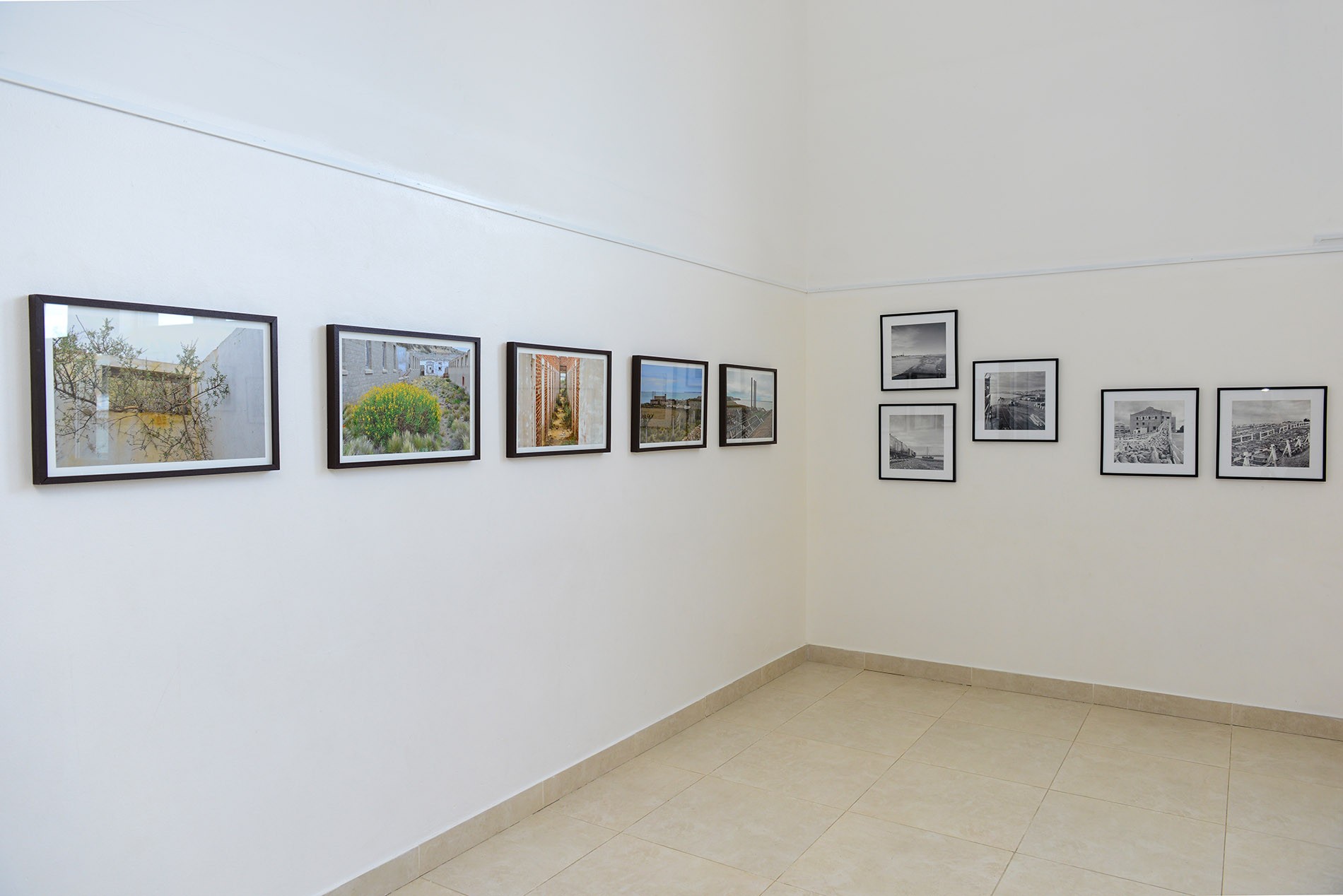
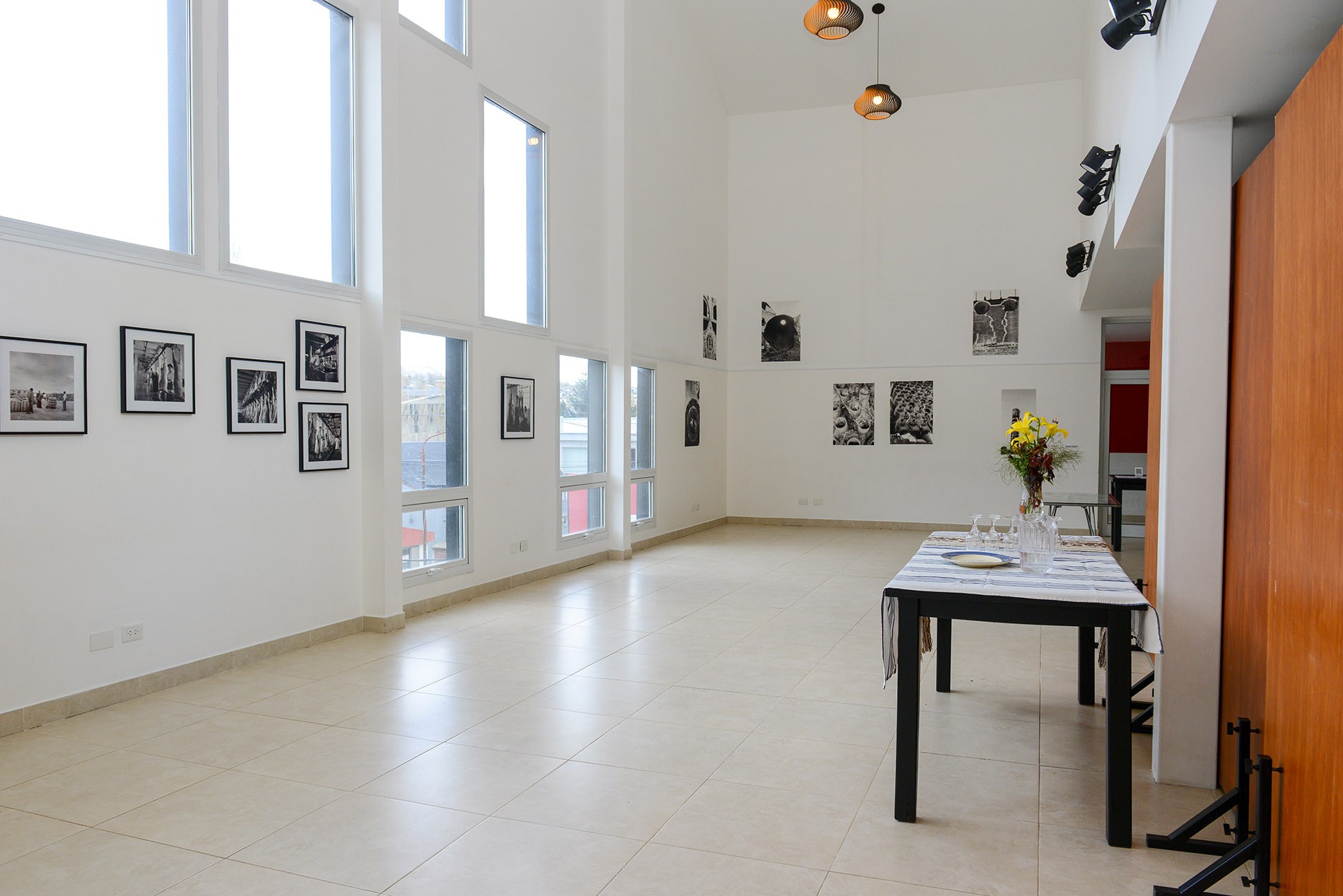
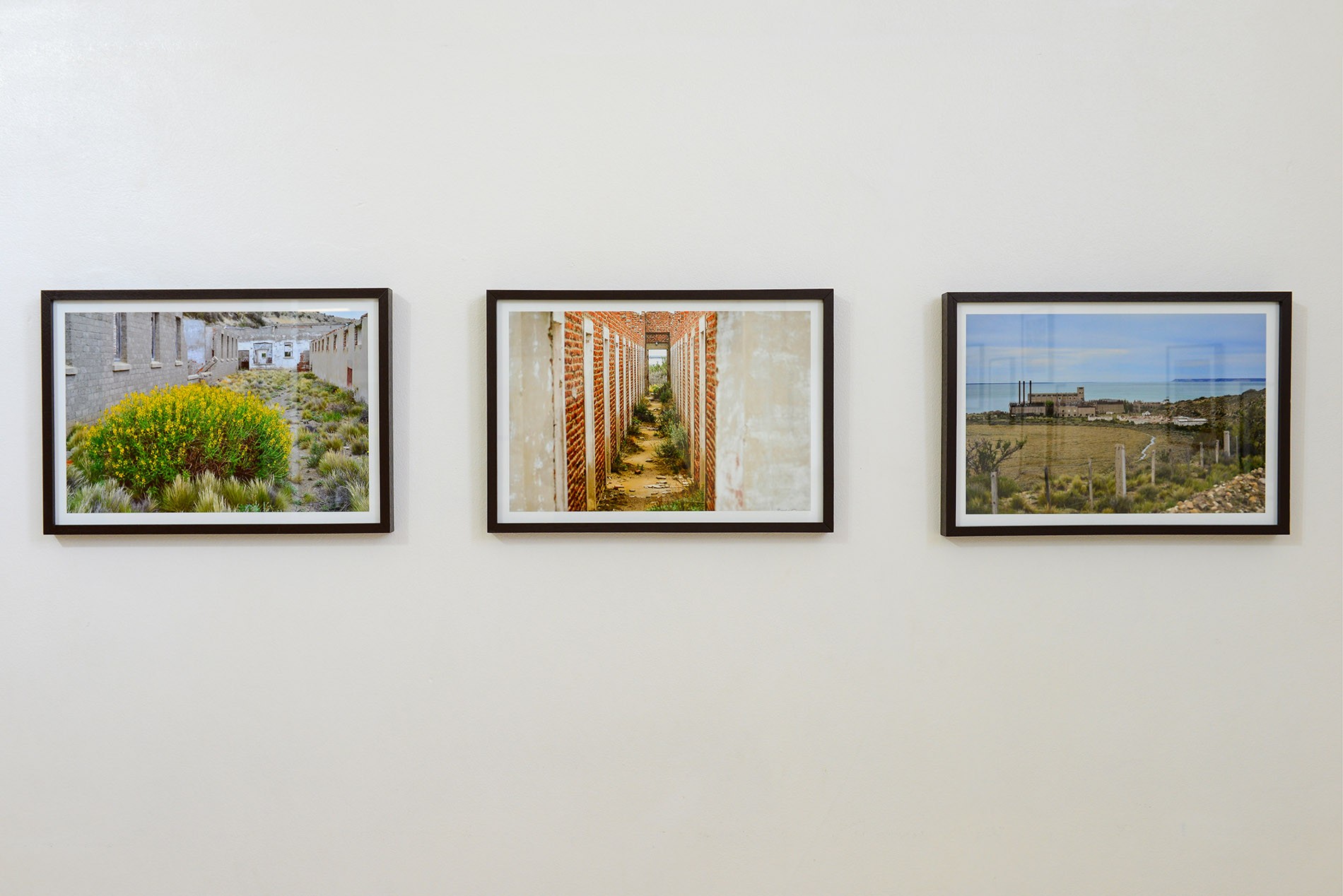
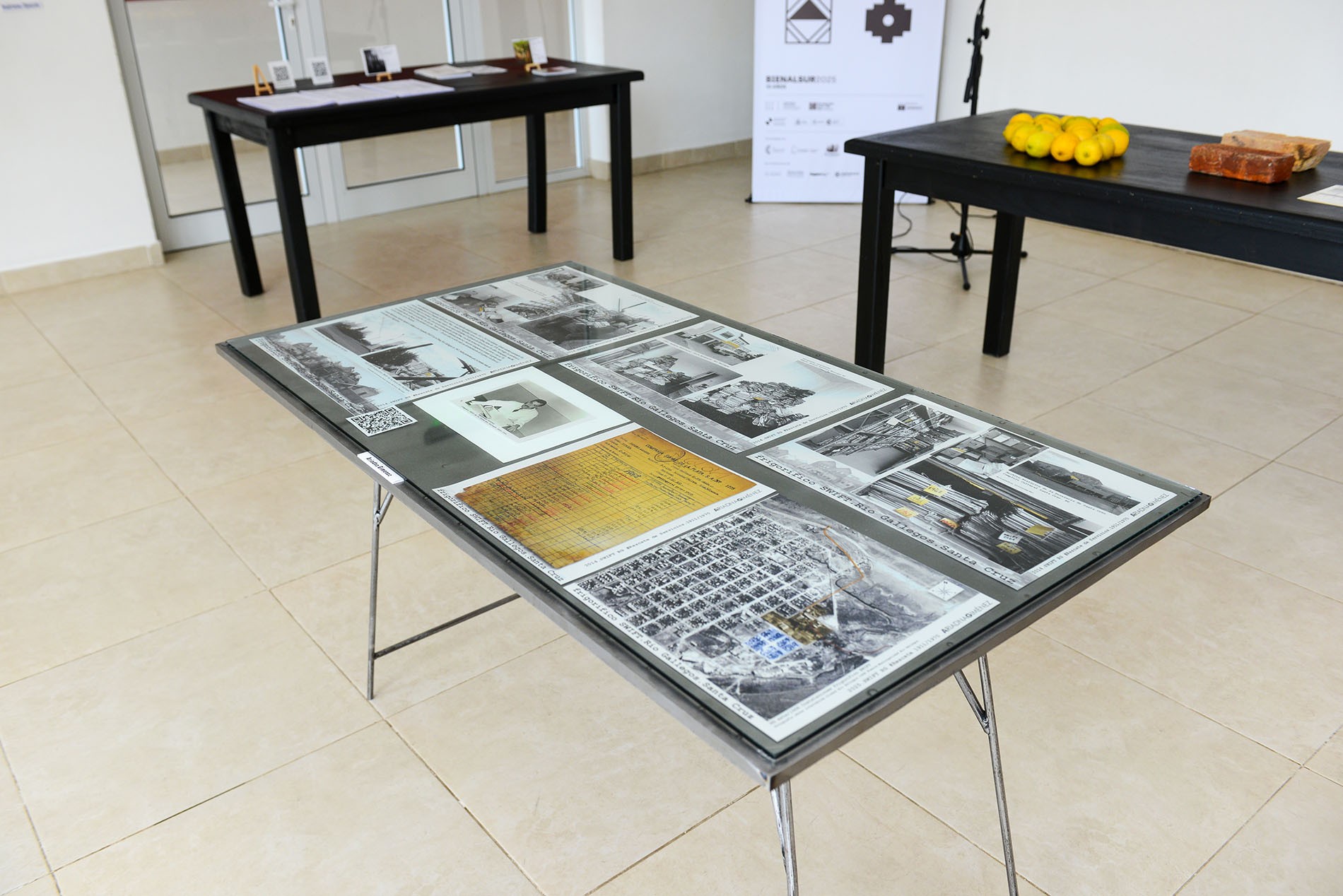
The exhibition zone of images by three female photographers—on the same theme, at different times, and with their specific perspectives—is complemented in this chapter by an audiovisual zone, featuring different generations and experiences surrounding the meat industry. The research zone serves as a guiding thread, providing analysis and contextualization through a timeline that organizes and illustrates the material. An artist’s book that rescues the workers’ situation from oblivion and creates a brief project that reconsiders, explores, and reflects on a complex weave.
Through a contemporary artistic practice, Reconstructing Memory proposes to connect, reinforce, and rethink, so that the meatpacking plants are not merely a memory but a bridge for constructing a critical and hybrid mode of thought that contributes to the identity of a territory.