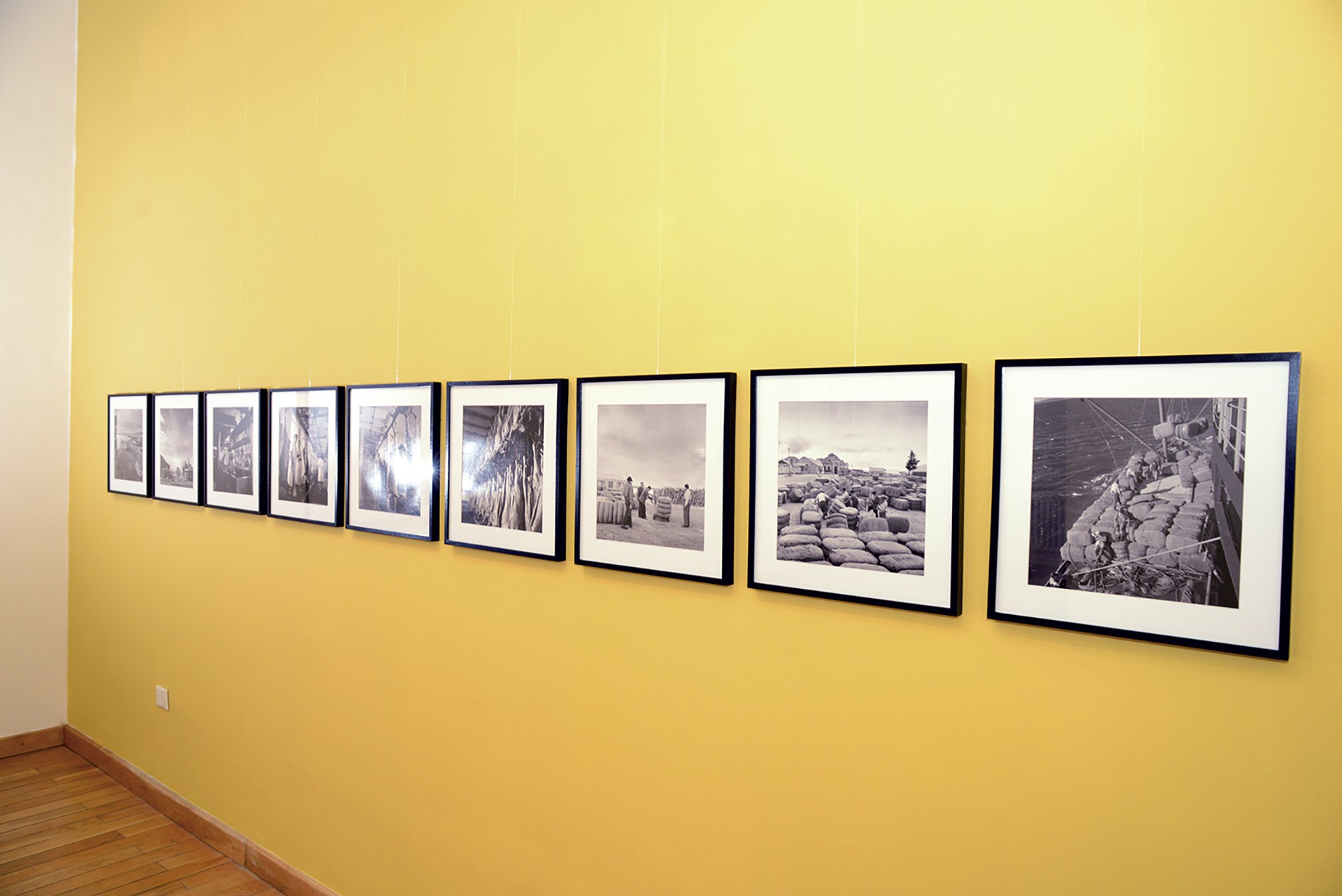
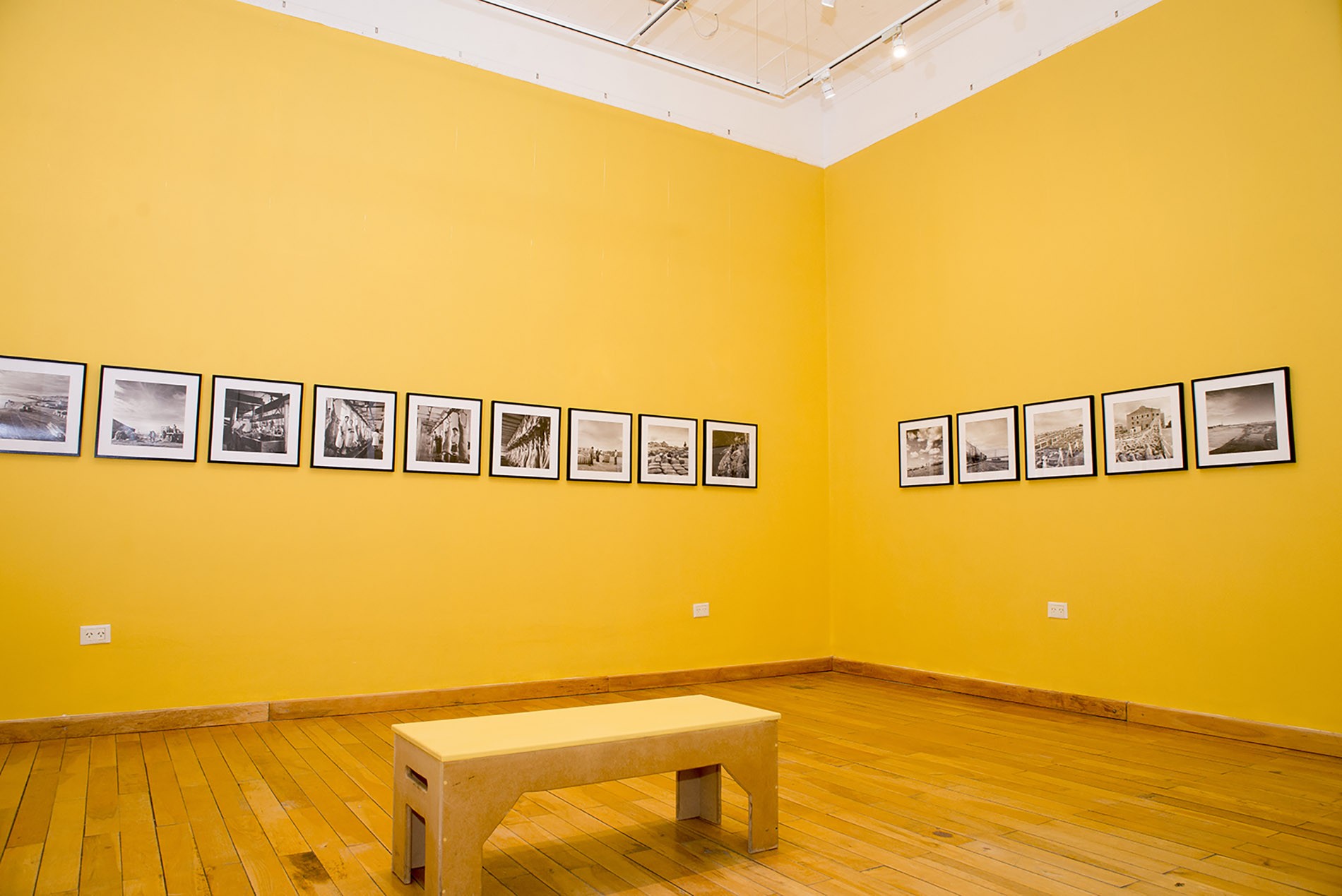
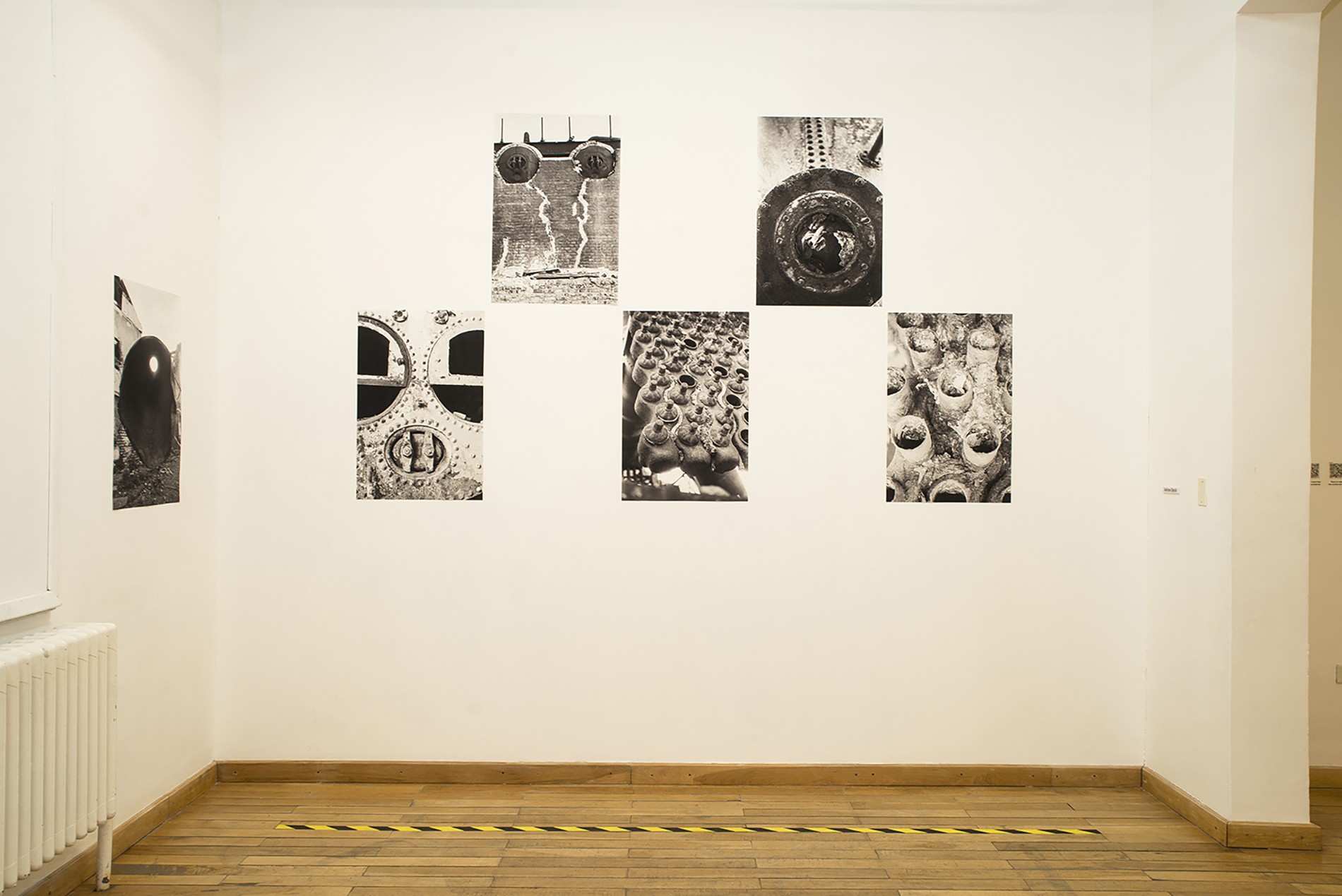
Opening: Thursday September 4th, 8 p.m Reconstructing Memory addresses a historical period often overlooked yet central to the Patagonian territory, through an unpublished series of photographs by renowned artist Annemarie Heinrich, shot during her 1958 trip to Santa Cruz. Her distinctive use of light, discerning eye, and disruptive perspectives construct a new visual imaginary for this era. The collection, specially selected for BIENALSUR and printed in Heinrich’s still-active studio, is showcased in dialogue with the work of two contemporary Santa Cruz photographers: Berta Giménez, whose series Vestigios (Traces) documents meat-packing plants overtaken by the steppe, and Andriana Opacak, whose Frigoríficos (Meat-Packing Plants) portrays traces of iron in their original settings. The gaze of three women on this era of white gold (late 19th –20th century), at different points in time, forms a visual record. “(…) The eye that sees hears words that christen the images it sees and those it does not see. Upon hearing them, it imagines them. The eye that sees designs the images, and thus begins to imagine the world (…)” (El ojo que escribe [The Eye That Writes], Luis Felipe “Yuyo” Noé, 2024). These images translate into words, emotions, memory, and consciousness. At that time, millions of sheep were part of the economic heritage of the Patagonian territory, and ships laden with hides, meat, and tallow sailed to Europe from Patagonian, Argentine, and Chilean ports. The closure and abandonment in collective memory leave a mark that appears fragmented, in pieces, as if they were not part of a seemingly non-existent whole. Sites of memory permeate family histories, addressing the viewer individually within the social framework of the era. The Swift plant in Río Gallegos, active until around the 1970s, fostered urban development and culturally shaped the nascent society. In this context, the abandonment of the meat-packing plants emerges as a symbol of desolation. Reconstructing one of the key milestones that shapes our identity is vital, preserving images that keep memory alive. Could the meat-packing plants serve as a metaphor that challenges us, offers clues, and defines coordinates for society?
Image: Andriana Opacak, Frigorífico, 1999