Opening: Thursday, July 31th, 6 p.m
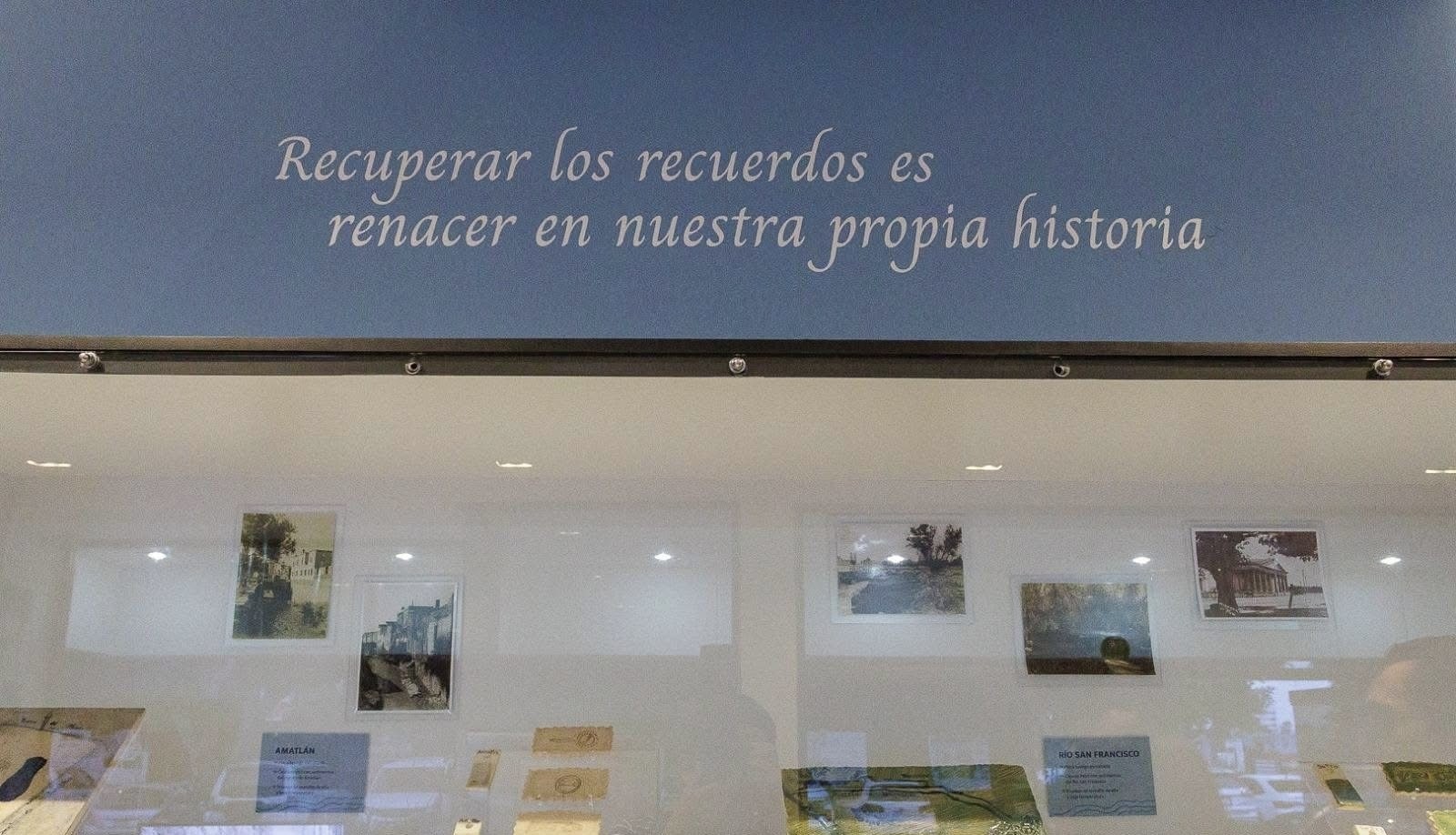
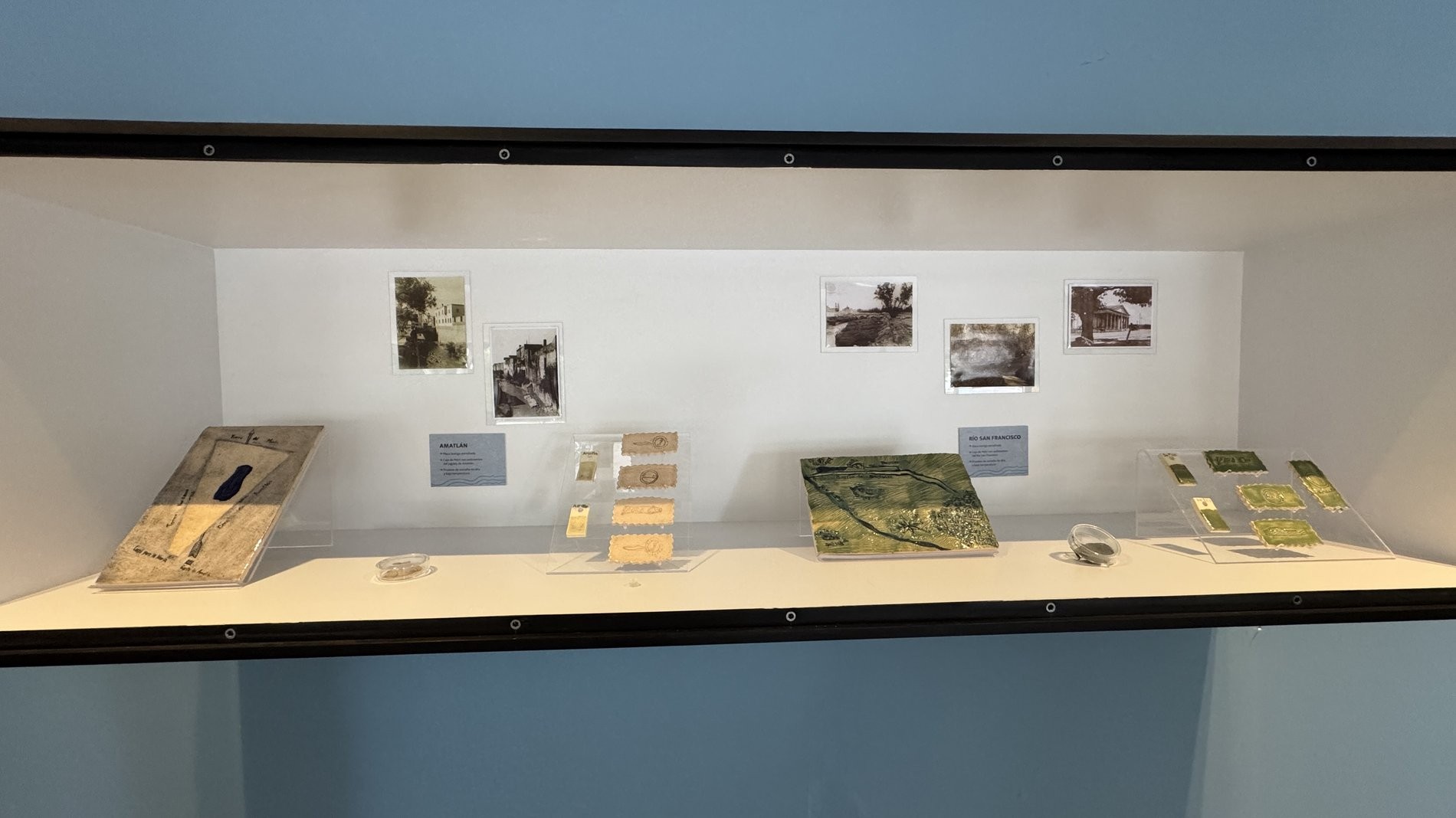
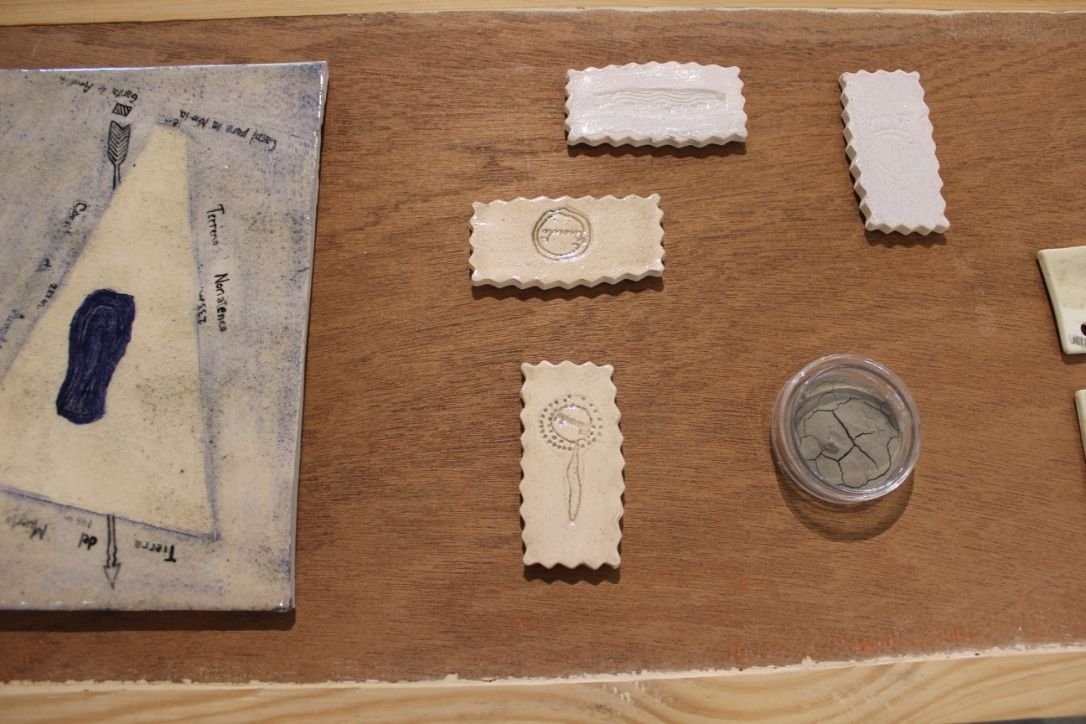
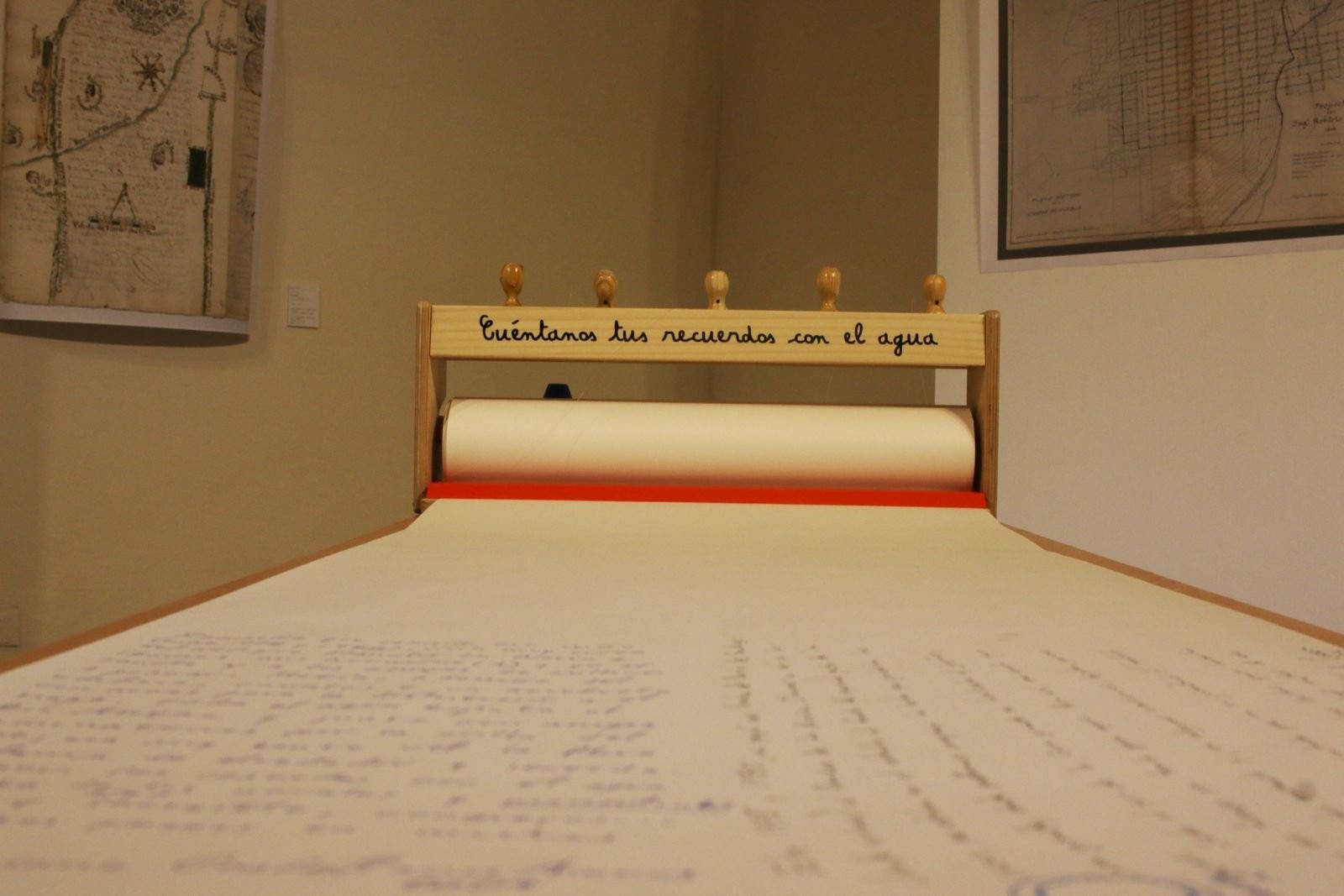
This exhibition aims to bring to light spaces that survive in the form of stories, images, documents, and places, repositioning Puebla's cultural memory. We want to highlight the changes and adaptations in water distribution that have transformed our city.
We speak about bodies of water—rivers, acequias (irrigation canals), fountains—which, while no longer shaping our urban landscape, were a fundamental part of daily life. These urban transformations, including the cancellation and channeling of rivers, represent a modern vision of the city that led to their oblivion. It is crucial to keep the exercise of memory active, through material hidden and fragmented in archives and maps, revealing water as a central, though now ghostly, element.
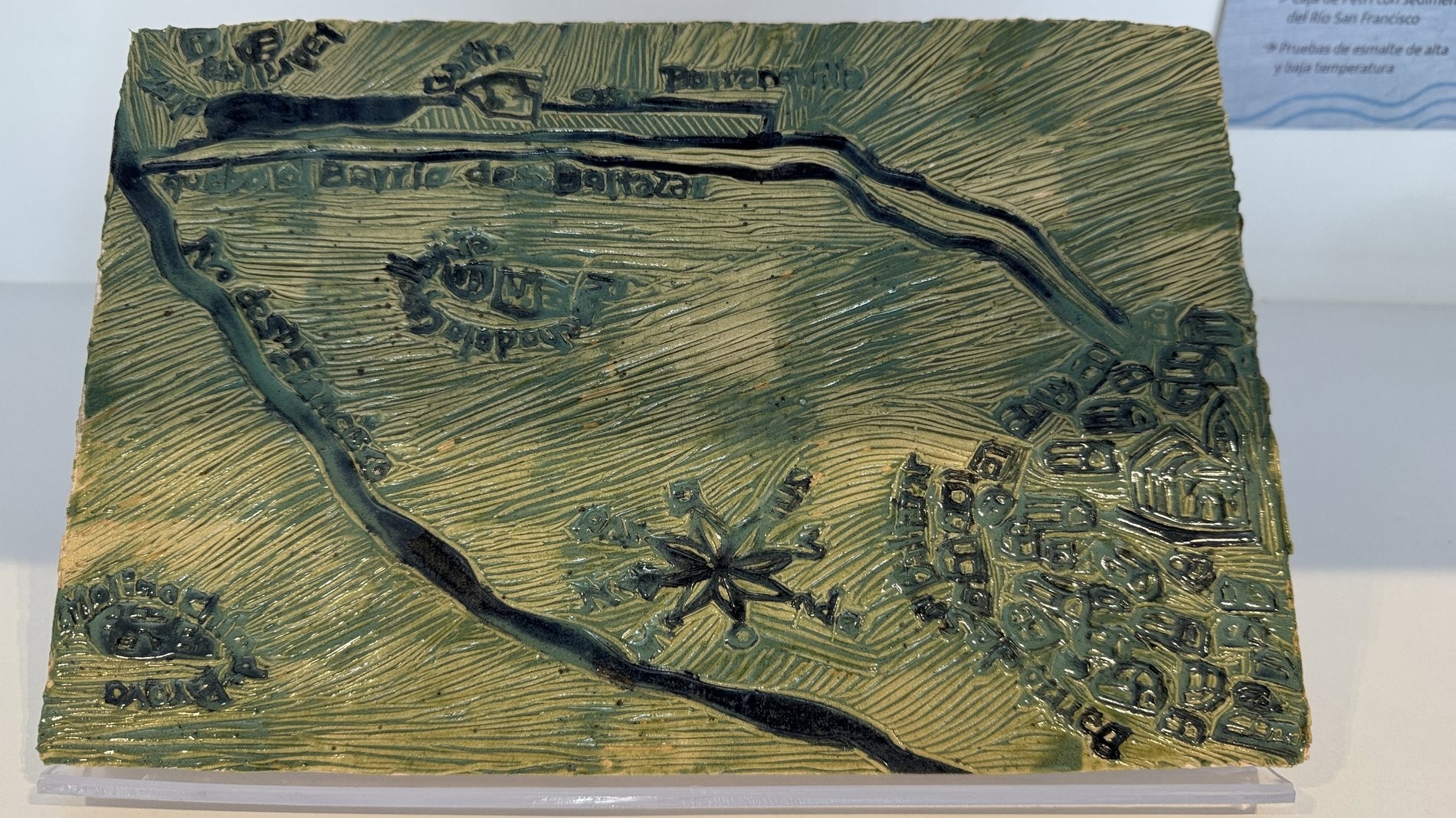
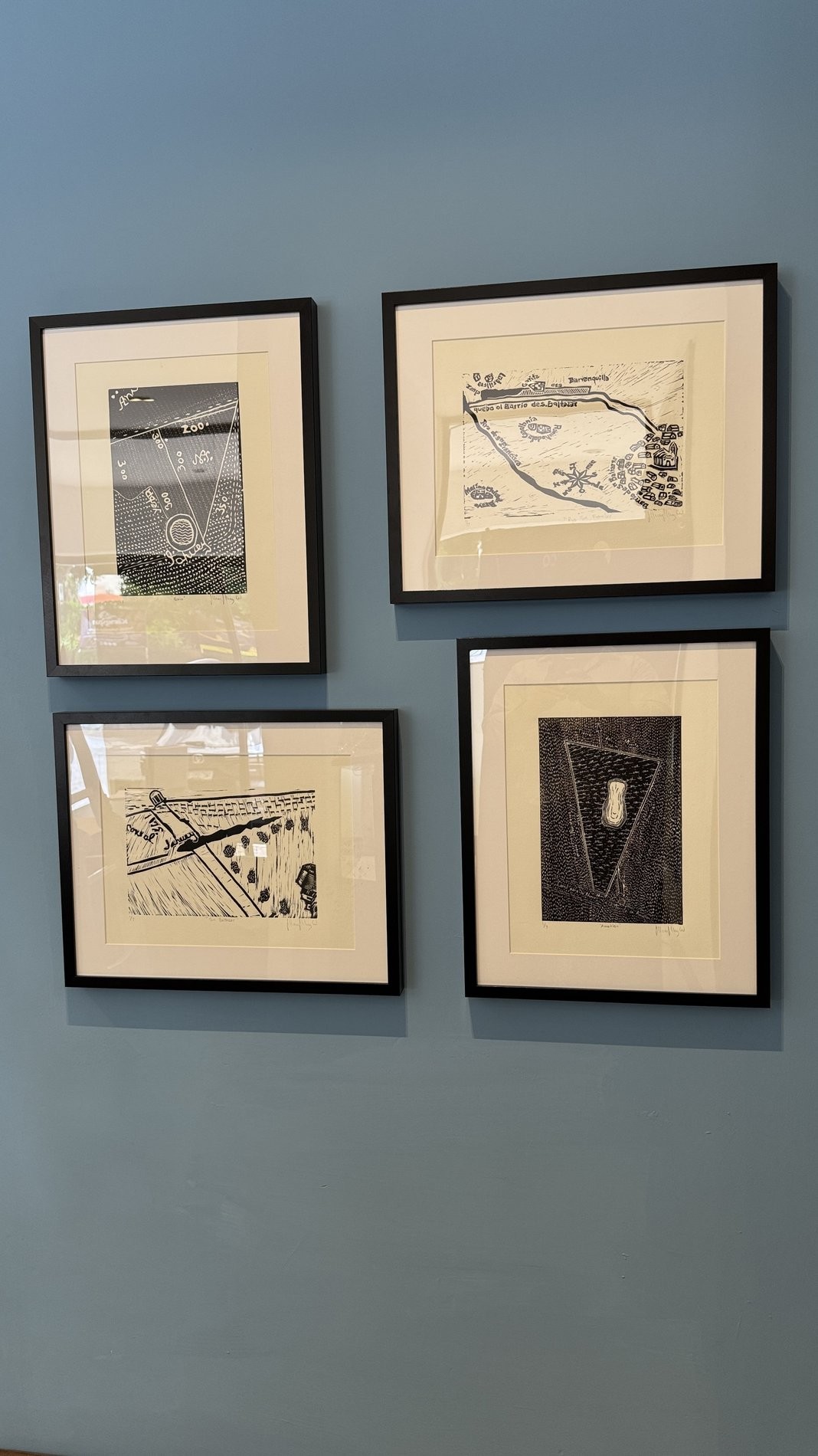
A jagüey, that seemingly immobile body of freshwater, is actually a living element. The wind on its surface, the vegetation, the wildlife, and the people who use it, all give it movement. It feeds itself through groundwater, allowing the water, its true essence and potential, to 'speak.' Examples like the jagüeys at San Baltazar Campeche (the Anzures clinic and Ruiz laboratories), the Amatlán tollbooth, the Rancho de la Noria or the San Francisco river, remind us of their historical presence.
Puebla, however, has forgotten that its reason for existence was water. Acequias (irrigation canals), aljibes (cisterns), and rivers, pillars of the historic city, disappeared under the pressure of modern development. The channeling of the San Francisco River, between 1963 and 1975, marks the culmination of this invisibilization and erases its memory.
Image: Mónica Muñoz Cid